
Sata Andagi (Okinawan Donuts)
These delectable Sata Andagi are an irresistible Okinawan homemade snack. The crispy donuts are pillowy in the center and flavored with Okinawan brown sugar, which makes them a sweet escape to tropical bliss.
Servings 14 andagi
Calories 110kcal
Ingredients
- 225 grams cake flour
- 5 grams baking powder (1 ½ teaspoons)
- 1.5 grams salt (⅛ teaspoon)
- 100 grams eggs (about 2 large)
- 120 grams kokutou (powdered)
- 1 tablespoon vegetable oil (plus more for deep frying)
Instructions
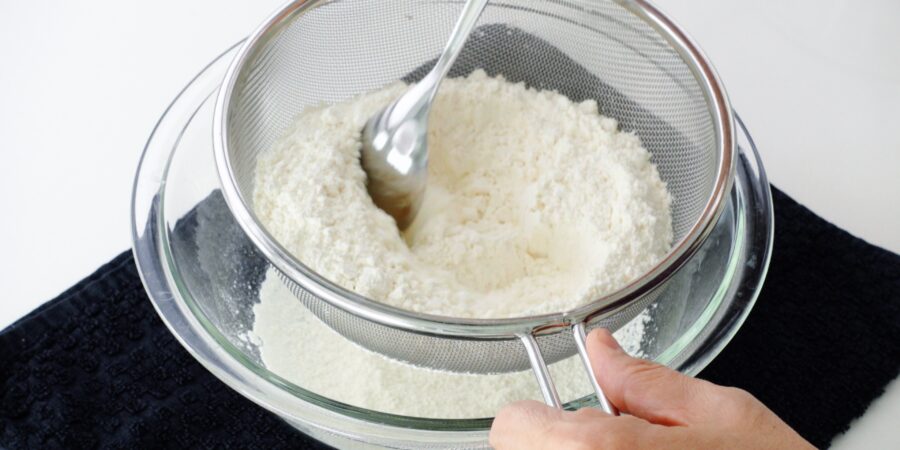
- Sift 225 grams cake flour, 5 grams baking powder, and 1.5 grams salt into a bowl and whisk together to distribute evenly.225 grams cake flour, 5 grams baking powder, 1.5 grams salt
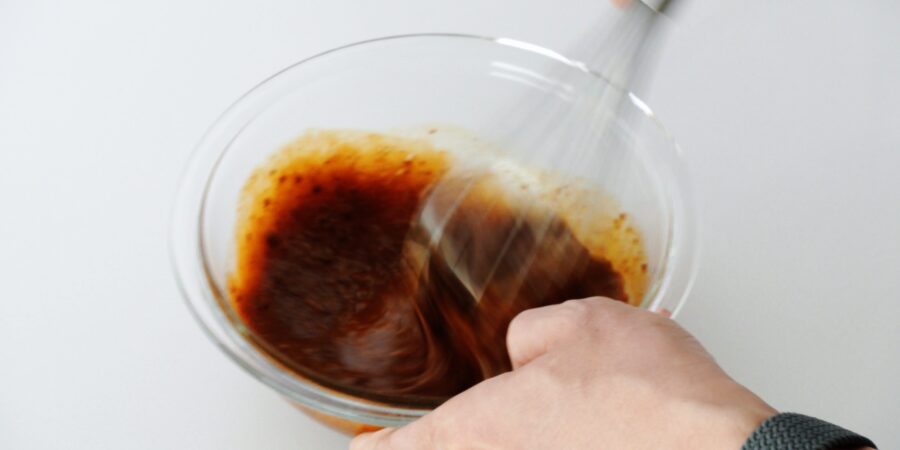
- In a separate bowl, whisk 100 grams eggs, 120 grams kokutou, and 1 tablespoon vegetable oil together. It’s okay if there are still some pieces of sugar as long as they are smaller than a pea.100 grams eggs, 120 grams kokutou, 1 tablespoon vegetable oil
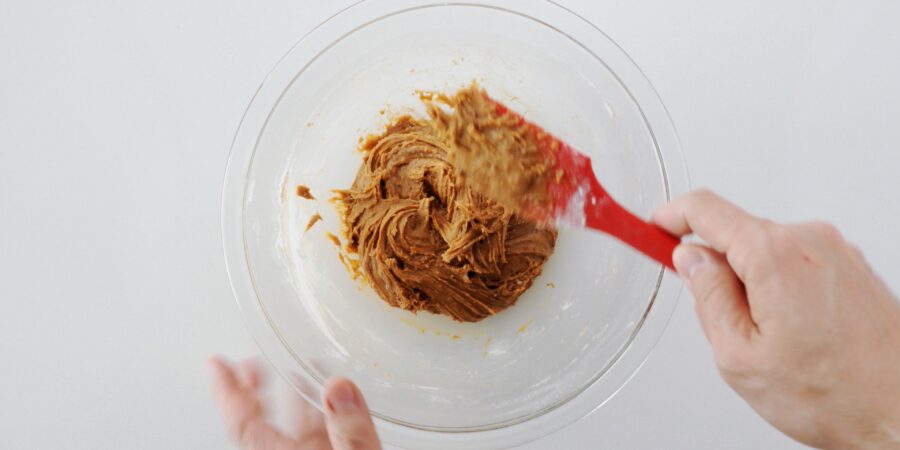
- Pour the egg mixture into the flour and use a spatula to knead the dough together until there are no dry spots. Be careful not to overmix the dough, or your Andagi will become tough.
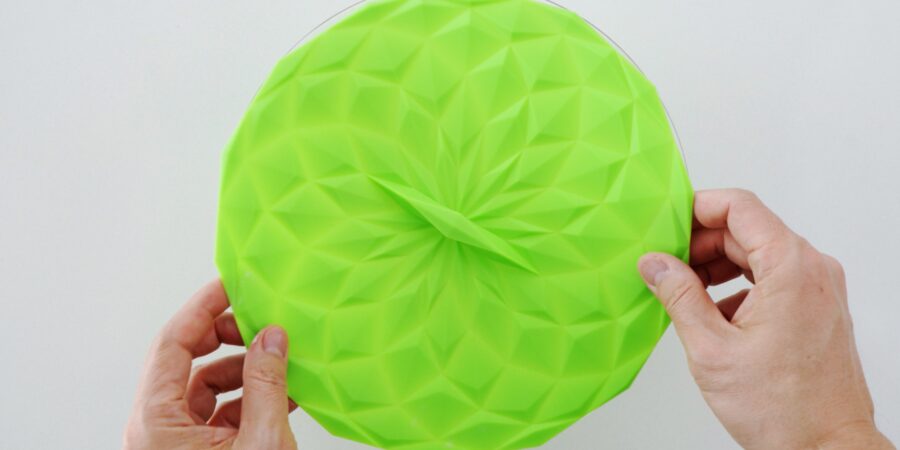
- Cover this and let it rest at room temperature for 20 minutes.
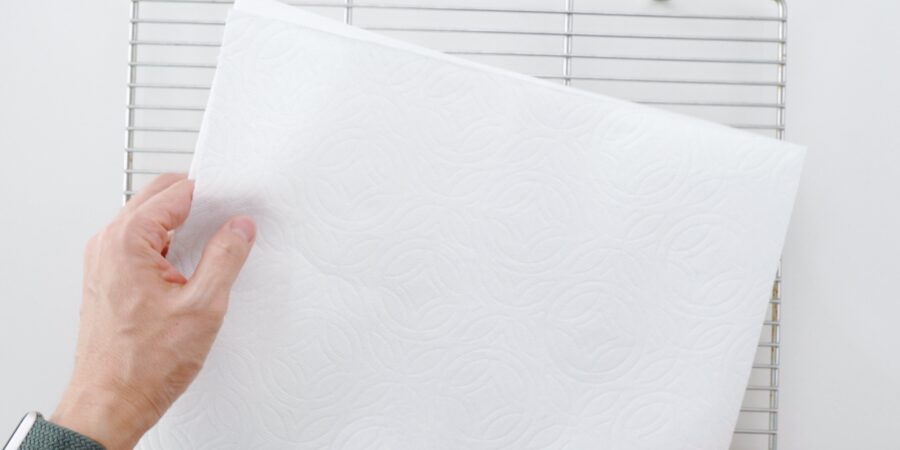
- When you’re ready to start frying, preheat a pot with 1 ½ inches of oil to 340°F (170°C). Prepare a cooling rack by lining it with several layers of paper towels. You’ll also want to line a sheet pan with parchment paper.
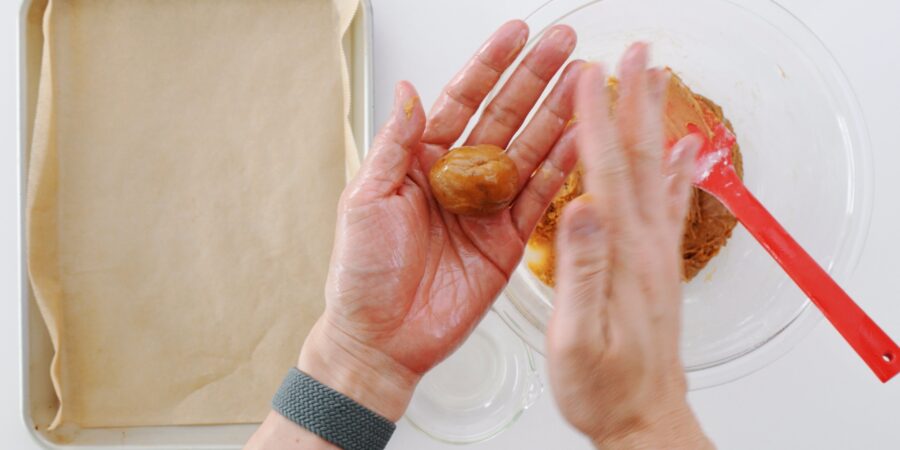
- While the oil is heating, give your hands a generous coating of oil and use your spatula to cut away ping-pong ball-sized pieces of dough and roll them between your hands to make them round. Place them on the parchment-lined baking sheet. You should have enough dough to make 14 Andagi.
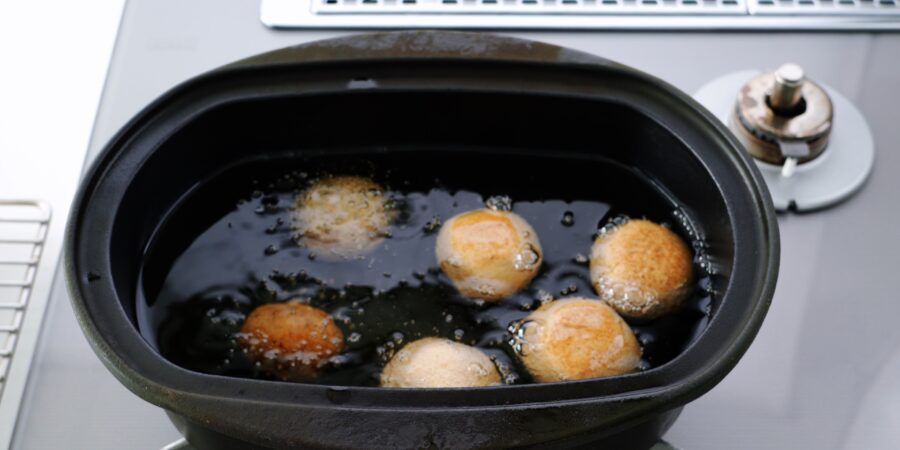
- When the oil is up to temperature, add the dough balls to the oil, reshaping them as needed. They will double in size, so don’t add too many at once.
- Use uncoated wooden chopsticks to roll the donuts around every 30 seconds or so. This will ensure they cook through evenly.
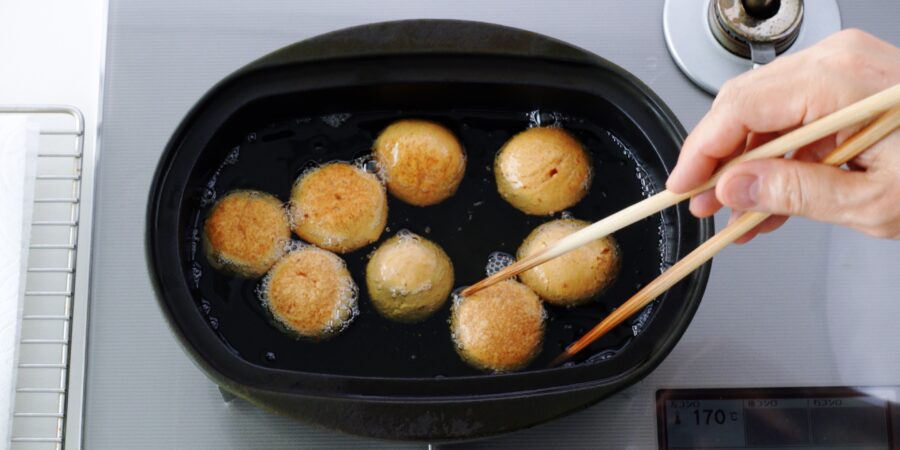
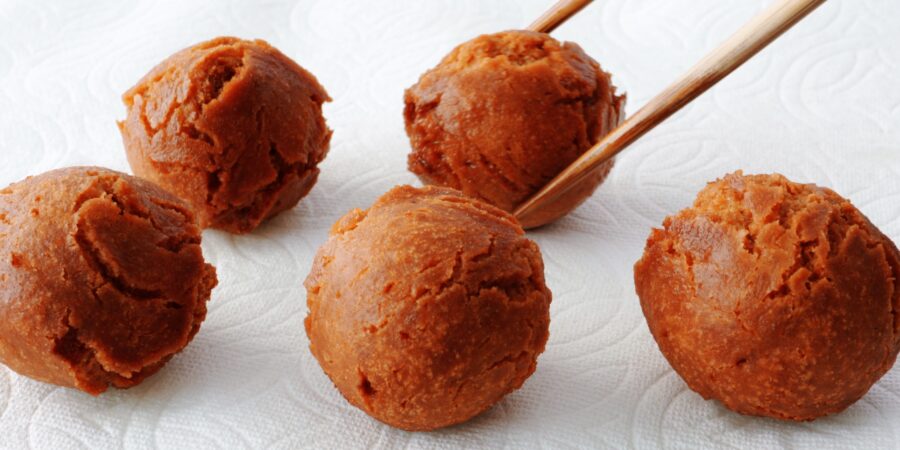
- The Sata Andagi are done when they’ve split open and the edges have crisped (~5-6 minutes).
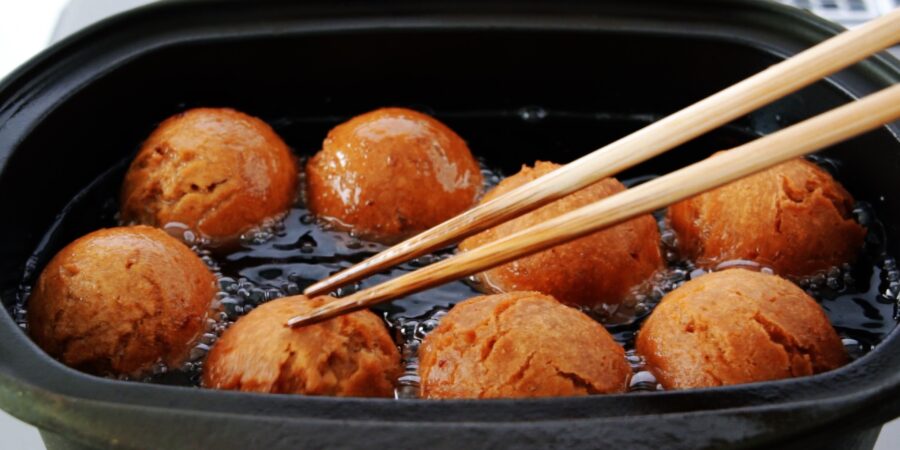
- Transfer the Okinawan doughnuts to the prepared cooling rack and let them cool completely before eating. They become more crispy as they cool.
Video
Nutrition
Calories: 110kcal | Carbohydrates: 20g | Protein: 3g | Fat: 2g | Saturated Fat: 0.4g | Polyunsaturated Fat: 1g | Monounsaturated Fat: 1g | Trans Fat: 0.01g | Cholesterol: 27mg | Sodium: 55mg | Potassium: 73mg | Fiber: 0.4g | Sugar: 8g | Vitamin A: 39IU | Calcium: 29mg | Iron: 0.4mg