
Onsen Tamago
Onsen Tamago literally means "hot spring egg" in Japanese, and it's made by slow-cooking eggs in their shell. In this hot spring egg recipe, I'm showing you three methods you can use to make this staple of a traditional Japanese breakfast at home.
Servings 5 eggs
Calories 69kcal
Ingredients
For hot spring eggs
- 5 eggs
- scallions (optional, chopped for garnish)
For dashi sauce
- ½ cup dashi stock
- 1 teaspoon soy sauce
- ½ teaspoon salt
- ½ teaspoon evaporated cane sugar
Instructions
- Add 5 US cups of boiling water plus 1 ½ cups of room temperature water to a rice cooker.

- Add 5 eggs to the hot water and close the lid. Turn on the rice cooker's warming function and set a timer for 20 minutes.5 eggs

- While you wait for the hot spring eggs to cook, add the ½ cup dashi stock, 1 teaspoon soy sauce, ½ teaspoon salt and ½ teaspoon evaporated cane sugar to a small saucepan and bring the mixture to a boil. Once the salt and sugar have dissolved, turn off the heat and let the sauce cool.½ cup dashi stock, 1 teaspoon soy sauce, ½ teaspoon salt, ½ teaspoon evaporated cane sugar

- Once the timer goes off, transfer the eggs to a cold water bath to stop the cooking.

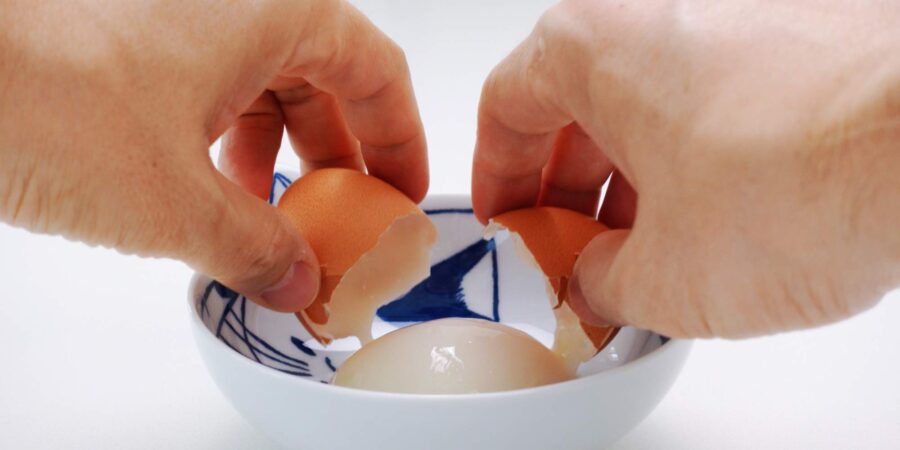
- Crack the chilled eggs on a flat surface and gently break the Onsen Tamago into a small bowl. Serve drizzled with a small amount of dashi sauce and garnish with scallions.scallions
Video
Notes
Check the article above for 2 other methods for making hot spring eggs, one using a pan on the stove, and the other using an immersion circulator.
Nutrition
Calories: 69kcal | Carbohydrates: 1g | Protein: 6g | Fat: 4g | Saturated Fat: 1g | Polyunsaturated Fat: 1g | Monounsaturated Fat: 2g | Trans Fat: 0.02g | Cholesterol: 164mg | Sodium: 440mg | Potassium: 84mg | Fiber: 0.01g | Sugar: 1g | Vitamin A: 239IU | Calcium: 32mg | Iron: 1mg