

I grew up on Mexican food in California, but moving to the East Coast introduced me to an entirely different world of Latin-American cuisine. Instead of Carne Asada and Tacos al Pastor, Ropa Vieja and Sándwich Cubano ruled the streets, and it's here that I discovered the mild yet vibrant, comforting yet exciting world of la cocina Cubana. Cuban food had this way of making me feel alive even on the dreariest days in the city.
That's where picadillo entered my life. This humble ground beef dish traces its lineage back to Spanish colonial cooking, where minced meat stews flavored with tomatoes, garlic, and wine were common. The name itself comes from "picar"-to mince-and as Spain's influence spread to Cuba, Mexico, and the Philippines, each place made picadillo its own. In Cuba, it became a staple of everyday home cooking, the kind of dish families could make quickly and affordably, stretching it with rice to feed everyone at the table.
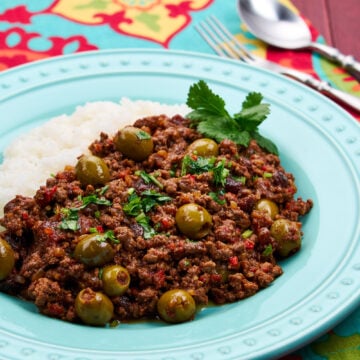
What makes Cuban picadillo special is how it weaves together contrasts. A fragrant sofrito of onions, peppers, and garlic lays the foundation. Savory ground beef is studded with sweet raisins and briny olives, while a splash of wine and tomatoes create a sauce that's bright and packed with umami. Then, just before serving, a splash of vinegar wakes everything up, making each element pop. The result is a dish where no two bites taste exactly the same, keeping your mouth interested from the first bite to last.
Beyond being served over rice with tostones, picadillo is deeply woven into Cuban culinary culture. It fills empanadas and pastelitos, stuffs peppers, and even gets tucked into papa rellena. It's comfort food that works as hard as the families that eat it.
Jump to:
Why My Recipe Works
- Sofrito an aromatic foundation - Sofrito is an aromatic sauté of onions, garlic, and peppers that forms the foundational flavor base of Cuban cuisine. The combo gives Picadillo its signature warmth and depth while contributing savory umami and a mild sweetness. Be sure to take time to cook the sofrito until the onions are tender and browning at the edges for maximum flavor.
- Browning the beef builds deep flavor - Before simmering, letting all the liquid evaporate from the ground beef allows it to actually sizzle and brown. This triggers the Maillard reaction, a chemical process between amino acids and sugars that creates hundreds of new flavor compounds. That's what gives this Cuban Beef Picaillo its rich, savory depth and roasty umami.
- Vinegar for pop - Simmering the picadillo melds everything together, but adding a splash of vinegar right before serving highlights the other flavors without losing the depth you built during cooking. It's like turning up the contrast on a photo to make it more vivid and defined.
INGREDIENTS
- Sofrito (onion, red bell pepper, garlic) - This aromatic foundation defines Cuban cooking. The onion provides a sweet backbone, the bell pepper adds mild sweetness and vibrant color, and the garlic brings pungent intensity. As they cook together, their natural sugars caramelize, creating depth that carries through the entire dish. Mince the garlic finely so it cooks evenly and distributes its flavor throughout.
- Lean ground beef - The protein base of the dish. Lean beef works best here because you're building flavor through browning and the other ingredients, and you don't want the Picadillo to become greasy.
- Dried oregano - Provides earthy, slightly bitter herbal notes that are characteristic of Cuban seasoning.
- Bay leaves - Contribute a subtle herbal, slightly floral background note during simmering.
- Ground cumin - Adds warm, earthy depth with subtle nutty undertones, helping to tie the herbs and spices together with the meat.
- Ground cinnamon - A small amount adds extra warmth and subtle sweetness without making the dish taste like dessert.
- Dry white wine - Deglazes the pan, picking up all the flavorful browned bits stuck to the bottom, while adding acidity and depth to the sauce. Any dry white wine you'd drink will work here.
- Tomatoes - Using two forms of tomatoes gives you the best of both worlds: the whole stewed tomatoes provide body and bright acidity to the sauce, while the concentrated tomato paste speeds up the cooking time. In a pinch, you can substitute the tomato paste with ketchup. If tomatoes are in season and ripe, you can use diced fresh tomatoes instead, though you may need to simmer a bit longer to break them down and concentrate their flavor.
- Raisins - Add pops of sweetness throughout the dish that balance the savory beef and tangy olives. While optional, I highly recommend them for an authentic Cuban beef picadillo that balances contrasting tastes.
- Green olives - Bring a briny, tangy contrast that cuts through the richness of the beef. Spanish olives or manzanilla olives work well. If you like, you can use alcaparrado (a mix of olives, pimientos, and capers) instead.
- Apple cider vinegar - Added at the very end to brighten all the flavors and make them pop. The acidity provides a highlight that prevents the dish from tasting flat or one-note. You can substitute white wine vinegar if needed.

HOW TO MAKE CUBAN BEEF PICADILLO
Make the Sofrito
Start by heating the olive oil in a large skillet over medium-high heat. Once the oil shimmers, add the diced onion, red bell pepper, and minced garlic. This is your sofrito; the aromatic foundation that gives Cuban picadillo its characteristic warmth and flavor.
Sauté the vegetables, stirring occasionally, until the onions turn tender and start browning at the edges. This should take about six minutes.
💡TIP: Don't rush the sofrito. Those extra couple of minutes letting the onions develop color make a real difference in the final flavor. If the garlic starts browning too quickly, reduce the heat slightly-burnt garlic tastes bitter.
Brown the Beef
Add the ground beef to the skillet along with the oregano, cumin, cinnamon, bay leaves, salt, and black pepper. Break up the meat as it cooks, making sure to get it into small, even crumbles.
Here's the important part: keep cooking until no liquid remains in the pan. You'll see the beef release moisture as it cooks, and you need to let all that water evaporate completely before the beef can actually brown. Once the pan is dry and you hear the beef start to sizzle, let it cook for a few more minutes, stirring occasionally, until it's beginning to brown.
🧪SCIENCE: This browning step is crucial. When the beef browns, the Maillard reaction kicks in to create hundreds of complex flavor compounds that add depth to the dish. The reaction only happens when the surface of the meat gets hot enough (which requires all that moisture to evaporate first). That's why it's important to take your time.
Deglaze and Simmer
Pour in the white wine and use your spoon or spatula to scrape up any browned bits stuck to the bottom of the pan. Those bits are pure flavor called "fond". The wine dissolves them into the sauce, and you also want to let the mixture boil for a minute or two to cook off the alcohol.
Add the whole stewed tomatoes, tomato paste, and raisins. Use your spatula to break the tomatoes into small chunks as you stir everything together. You want pieces, not whole tomatoes, but you don't need to completely pulverize them.
Cover the skillet, reduce the heat to low, and let everything simmer for 15 minutes. This simmering time allows all the flavors to meld together.
💡TIP: Keep the heat low enough that you hear a gentle bubble but nothing aggressive. If it's boiling hard, you'll reduce the sauce too quickly and potentially scorch the bottom.
Finish the Picadillo
Remove the lid and add the green olives. Now you have a choice based on how you want your picadillo to turn out:
- For a saucier finish, stir in the apple cider vinegar right away and serve once the olives are warmed through. This gives you a picadillo with plenty of flavorful liquid that's perfect for spooning over rice.
- For a more intense, concentrated picadillo, let it cook uncovered for another 5 minutes to thicken the sauce, then add the vinegar. This version has bolder flavors and a drier texture that works beautifully as a filling for empanadas or tacos.
Either way, that splash of vinegar at the end is what makes the dish come alive. Taste it before and after adding the vinegar, and you'll see what I mean.
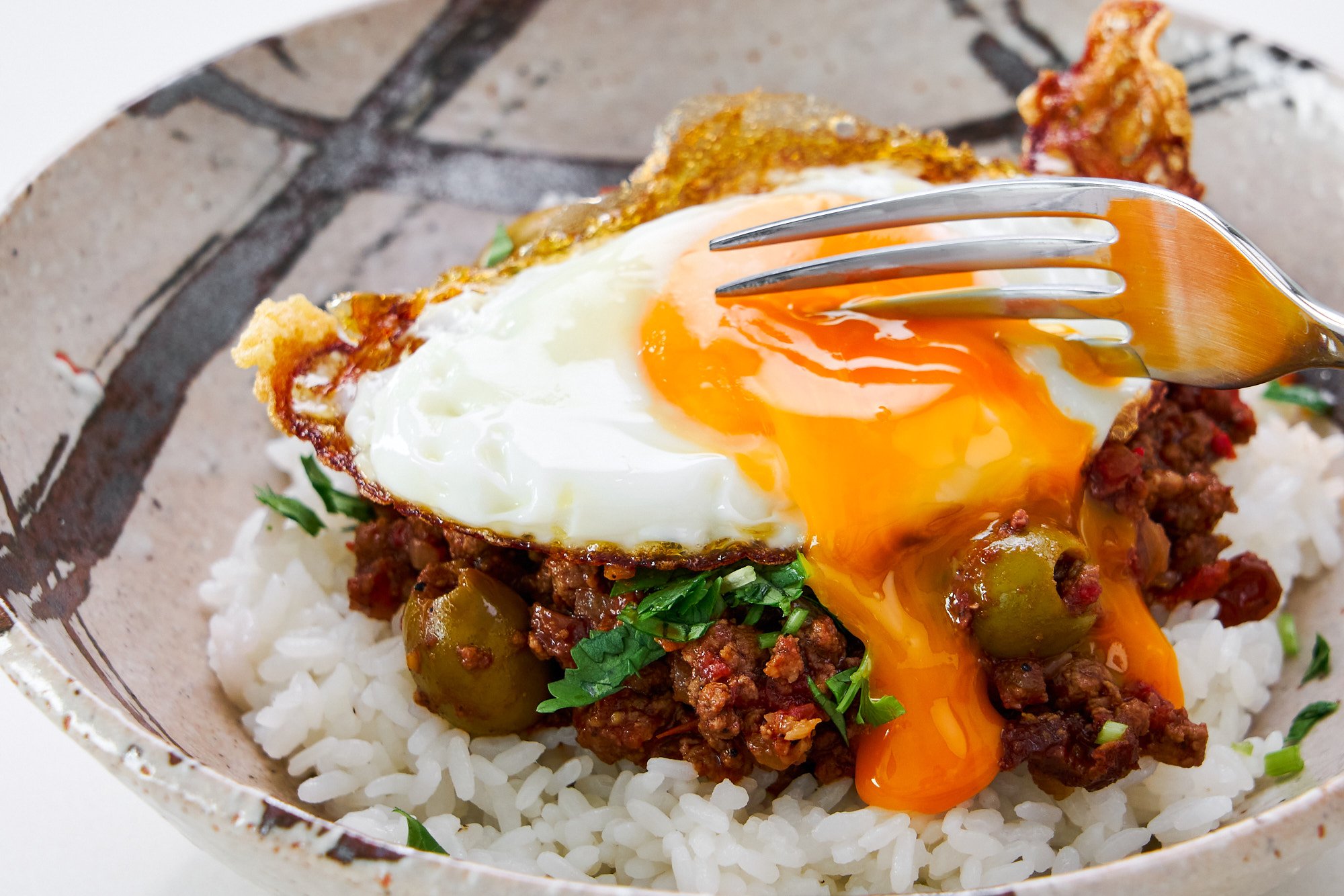
💡TIP: If you want to make this dish extra special, serve it with a fried egg on top. The runny yolk adds richness and creates its own sauce. I also like to have hot sauce on the table for anyone who wants a little heat.
SERVE THIS WITH
Cuban Beef Picadillo is traditionally served with steamed long-grain white rice and tostones (fried plantains), which provide the perfect canvas for the contrast of flavors. But this versatile dish pairs beautifully with sides that offer different textural contrasts and complementary tastes. Filipino Garlic Fried Rice brings crispy fried garlic that echoes the savory notes in the picadillo while adding a satisfying crunch. Homemade Corn Tortillas let you scoop up the saucy beef and turn dinner into a hands-on taco night. For something fresh and bright, I like serving this with a No-Mayo Cabbage Slaw that cuts through the richness with its tangy lemon dressing and crunchy vegetables. A Tomato and Watermelon Salad offers sweet-savory contrast with its combination of fruit and herbs, while a simple Tomato Cucumber Salad adds crisp, refreshing bites between forkfuls of the rich picadillo. And if you're in the mood for something festive, a Frozen Sangria makes the perfect cooling counterpoint to this warm, comforting dish.
📖 Recipe
Equipment


Units
Ingredients
for sofrito
- 1 tablespoon olive oil
- 225 grams onion (1 medium onion, finely diced )
- 140 grams red bell pepper (1 small pepper, finely diced)
- 20 grams garlic (4 large cloves finely minced)
for picadillo
- 675 grams lean ground beef
- 1 ½ teaspoons dried oregano
- 1 teaspoon ground cumin
- ½ teaspoon ground cinnamon
- 2 bay leaves
- 1 ½ teaspoons salt
- ½ teaspoon black pepper
- ½ cup dry white wine
- 250 grams whole stewed tomatoes (½ small can)
- 1 tablespoon tomato paste
- 75 grams raisins (~⅓ cup)
- 100 grams green olives
- 1 tablespoon apple cider vinegar
Instructions
- Add 1 tablespoon olive oil, 225 grams onion, 140 grams red bell pepper, and 20 grams garlic to a skillet. Sauté over medium-high heat until the onions are tender and browning at the edges, about 6 minutes.

- Add 675 grams lean ground beef, 1 ½ teaspoons dried oregano, 1 teaspoon ground cumin, ½ teaspoon ground cinnamon, 2 bay leaves, 1 ½ teaspoons salt, and ½ teaspoon black pepper. Cook, breaking up any clumps of meat, until no liquid remains. Continue frying for a few more minutes until the beef is sizzling and beginning to brown.
- Add ½ cup dry white wine and deglaze the skillet, scraping up any browned bits.
- Add 250 grams whole stewed tomatoes, 1 tablespoon tomato paste, and 75 grams raisins. Break the tomatoes into small chunks with a spatula or paddle. Cover, reduce the heat, and simmer for 15 minutes.
- Remove the lid and add 100 grams green olives. For a saucier finish, stir in 1 tablespoon apple cider vinegar and serve once the olives are warmed through. For a more intense picadillo, cook uncovered for another 5 minutes to thicken the sauce before adding the vinegar.


Nutrition Facts
FAQ
Picadillo is a traditional Latin dish made with ground or minced meat (usually beef), tomatoes, and aromatics, with variations found throughout Cuba, Mexico, Puerto Rico, the Philippines, and other regions. The name comes from the Spanish word "picar," meaning "to mince." Cuban picadillo specifically includes a sofrito base of onions, peppers, and garlic, and is characterized by the addition of olives, raisins, and warm spices like cumin and cinnamon.
Cuban picadillo includes olives, raisins, and sometimes capers or alcaparrado, creating a distinctive sweet-savory-briny flavor profile, and typically doesn't include potatoes. Mexican picadillo features diced potatoes as a key ingredient, often includes carrots and peas, and tends to be spicier with the addition of jalapeños or other chiles. While both use a tomato-based sauce and ground beef, the Cuban version emphasizes the contrast between sweet raisins and tangy olives, while the Mexican version focuses on heartier vegetables.
Traditional Cuban picadillo includes raisins, which provide essential sweetness that balances the savory beef and briny olives. However, many families omit them based on personal preference, and the dish is still recognizably picadillo without them. The raisins aren't just about sweetness; they create textural contrast and contribute to the complex flavor interplay that makes Cuban picadillo distinctive.
Picadillo translates to "mince" or "minced meat" in English, derived from the Spanish verb "picar," which means "to mince" or "to chop." The name refers to the dish's defining characteristic: finely chopped or ground meat cooked with various seasonings and vegetables. This preparation method made picadillo practical for home cooks throughout Latin America, as ground meat was affordable, cooked quickly, and could be stretched to feed families when served with rice or used as a filling.
Cuban picadillo is most commonly served over steamed white rice with fried plantains (tostones or maduros) on the side. It also works beautifully as a filling for empanadas, pastelitos, tacos, stuffed peppers, or papa rellena (stuffed mashed potato balls). For a traditional Cuban breakfast, serve it with a fried egg on top and white rice. The dish is versatile enough to be served family-style with various sides, used as a taco filling for a casual dinner, or incorporated into other recipes as a flavorful protein component.
Kat says
I veganized it based on your recipe yesterday, and my family loved it. Thank you for sharing it!
Marc Matsumoto says
I'm so happy you enjoyed it!
Pretty Gem says
Pretty Gem 💎