
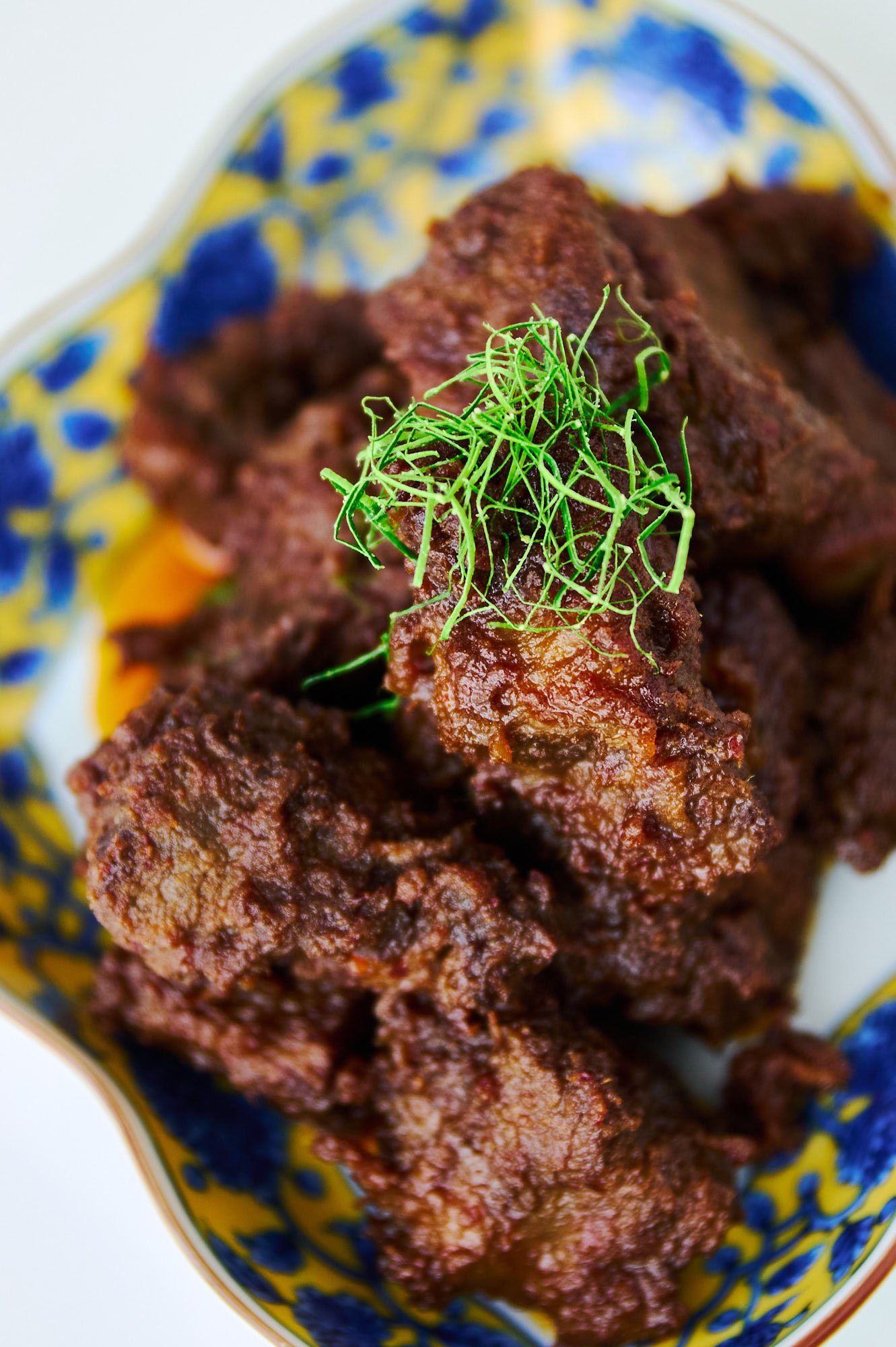
Beef Rendang is often considered the crown jewel of Indonesian cuisine, and for good reason. Its rich, complex flavors unfold in waves-bright notes of lemongrass and makrut lime leaves dance with the deep richness of caramelized beef and coconut cream while the heat of chilies urges you to go for another bite. I learned how to make this Indonesian classic during a rainy afternoon spent at a friend's kitchen in Singapore, where we simmered, stirred, and shared stories over the enticing aroma of spices. This Beef Rendang recipe captures the essence of that afternoon, blending tradition with techniques that make it approachable for any home cook.
Jump to:
Why My Recipe Works
- Making a homemade rendang paste from fresh aromatics and spices creates the foundation for the bold, complex flavors of authentic Rendang.
- The long cooking process slowly renders the fat and breaks down collagen into silky gelatin. This lubricates the meat, making it irresistibly tender and moist. That's why it's important to use a cut of beef (like chuck or beef shanks) that's marbled with fat and connective tissue.
- Allowing the rendang curry to reduce until it starts to caramelize around the beef is the key to the nutty aromatic flavor and rich umami of Indonesian Beef Rendang.
- Letting the Rendang rest overnight gives the spices and aromatics time to meld, creating a deeper, more harmonious flavor profile.
What is Beef Rendang?
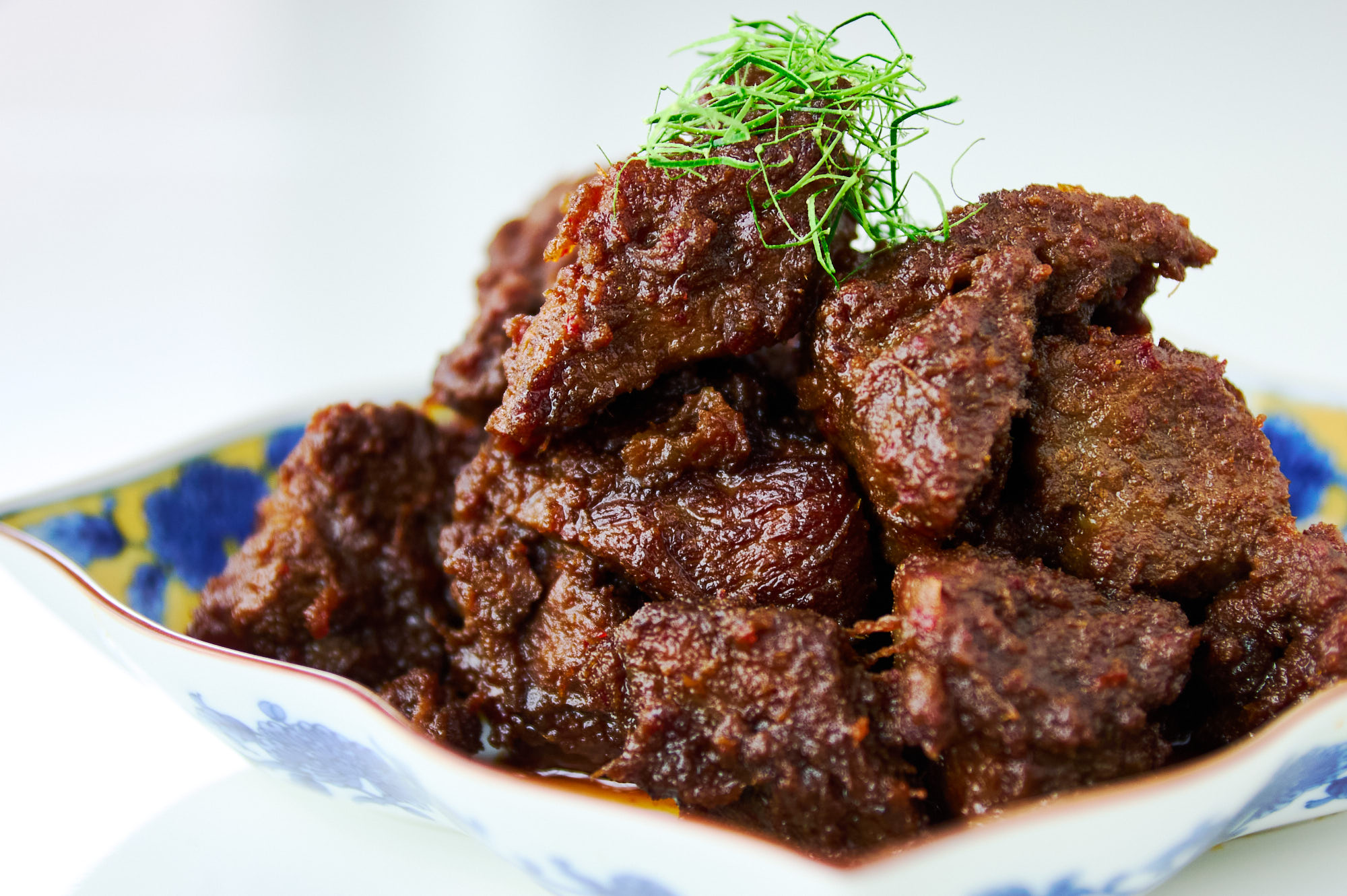
Beef Rendang is a rich and flavorful Indonesian dish that hails from the Minangkabau people of West Sumatra. Often described as a dry curry, this dish is slow-cooked in a fragrant blend of spices, coconut milk, and herbs until the liquid evaporates, leaving the beef deeply caramelized and packed with intense flavor.
Originally, Beef Rendang was more than just a delicious meal-it was a method of preservation. In an era before refrigeration, wealthy Minangkabau farmers would prepare Rendang after slaughtering a cow for special occasions. By cooking the beef in a combination of blisteringly spicy chili (thanks to capsaicin's natural antimicrobial properties), reducing the moisture to almost nothing, and enveloping the meat in coconut fat, they created a dish that could last for weeks in Indonesia's sweltering heat.
Difference Between Indonesian and Malaysian Rendang Beef
While Indonesian and Malaysian Beef Rendang recipes share a common heritage, they differ in flavor, texture, and preparation, reflecting the culinary traditions of each region. Indonesian Beef Rendang, particularly the version from West Sumatra, is typically cooked until almost all the liquid evaporates, leaving the meat dark, caramelized, and coated in a rich, concentrated paste. This "dry" Rendang emphasizes deep, nutty, and smoky flavors. On the other hand, Malaysian Beef Rendang often retains more sauce, resulting in a creamier texture. The Malaysian version tends to be milder and sweeter with a balance of flavors emphasizing coconut milk and aromatic spices like cinnamon, star anise, and cardamom.
Ingredients
Rendang Paste
The spice paste is the heart of this Beef Rendang recipe, infusing the dish with its signature layers of bold, aromatic flavors. A blend of coriander seed, turmeric, ginger, garlic, shallots, and chili flakes creates a balance of earthy warmth, zesty brightness, and fiery heat. Traditionally, these ingredients required judicious pounding with a mortar and pestle to turn them into a smooth paste. Fortunately, a food processor will make quick work of it, saving time and reducing wear and tear on your wrists.

Herbs
The addition of fresh herbs like lemongrass stalks, galangal, and makrut lime leaves (a.k.a. kaffir lime leaves) lend the curry a fragrant, citrusy brightness that perfectly complements the richness of the beef and rendang spices. You should be able to find these herbs at Southeast Asian grocery stores, and they freeze beautifully for future use-so stock up when you can!
Beef
Choosing the right cut of beef is key to making the good Rendang. Tougher cuts like beef shanks, chuck, or short ribs are ideal, as they are rich in connective tissue and fat. As the curry cooks low and slow, the collagen in these cuts breaks down into gelatin, giving the beef a tender, buttery texture that melts in your mouth. Lean cuts won't deliver the same moist, flavorful results, so don't skimp on the marbling.

Coconut Milk
Coconut milk balances the bold rendang spices with its creamy, velvety richness. Traditionally, it's pressed fresh from shredded coconut, but if that's out of reach, there's a convenient alternative that captures the flavor of fresh coconut milk. Desiccated coconut cream powder, like the kind from Kara, is made by spray-drying fresh coconut milk, preserving its full flavor and creaminess.
How to Make Beef Rendang
To make this Beef Rendang recipe, start by preparing the rendang spice paste. Combine shallots, garlic, ginger, turmeric, ground coriander, chili flakes, and salt in a food processor and blend until smooth. This spice paste is the flavor foundation of this dish, so make sure there are no clumps-it should be creamy and fragrant. If the paste feels too thick or dry, add a tablespoon of water to help it along.
Next, heat a heavy-bottomed pot over medium-high heat and add some vegetable oil. Sear the beef pieces in batches until each side is beautifully browned. Browning is a crucial step-Maillard browning enhances the savory depth of the beef by developing complex, caramelized flavors. Avoid overcrowding the pan, as this traps steam and prevents proper browning. Once browned, set the beef aside.
Using the same pot, fry the smashed lemongrass stalks, kaffir lime leaves, and galangal in the remaining oil until their aromas fill your kitchen. Turn the heat down to medium-low and add the spice paste. Fry it while stirring constantly to prevent sticking or burning. If the mixture starts to scorch, lower the heat and add a splash of water to keep it from burning.
Prepare the coconut milk by rehydrating coconut cream powder in warm water, or use canned coconut milk if that's what you have on hand. Stir the coconut milk into the pot along with a bit of palm sugar for balance. Return the beef to the pot and bring everything to a gentle simmer. Cover the pot loosely to allow steam to escape, and cook on low heat for several hours. Stir occasionally to ensure nothing sticks to the bottom and to evenly coat the beef in the rich curry sauce.

As the curry simmers, the liquid will gradually reduce, thickening the sauce and concentrating its flavors. After about three to four hours, the sauce will have nearly evaporated, leaving the beef coated in a dark, caramelized paste. At this stage, increase the heat slightly to fry the remaining sauce in the rendered oil, further intensifying the dish's flavor. Keep stirring to avoid burning, and stop when the beef is richly browned and the sauce clings to it like a glaze.
For the best results, let the beef rendang rest overnight in the fridge before serving. This allows the flavors to meld and deepen, creating an even more flavorful dish. When stored properly, the low moisture content of this dish makes it perfect for reheating and enjoying with steamed rice over several days-just as it was originally intended.
By the way, if you don't have the time to make this version of Rendang, I've developed a faster Chicken Rendang recipe that comes together in about an hour and still delivers a wallop of flavor.
Recipe
Beef Rendang
Equipment
Ingredients
- 1 teaspoon salt
- 1 teaspoon ground coriander seed
- ¼ teaspoon ground turmeric
- 2.5 centimeters fresh ginger (roughly chopped)
- 25 grams garlic (roughly chopped)
- 200 grams shallots (4 large roughly chopped)
- 3 tablespoons chili pepper flakes (to taste)
- 2 tablespoons vegetable oil
- 900 grams beef shanks or shortribs (cut into large cubes)
- 2 stalks lemongrass (white part only, smashed)
- 4 kaffir lime leaves (or 1 teaspoon Makrut lime zest)
- 2.5 centimeters galangal (sliced into coins)
- 2 packs coconut cream powder (or 1 can coconut milk)
- 1 tablespoon coconut sugar (brown sugar or palm sugar can be substituted)
Instructions
Why it works- Add all the 1 teaspoon salt, 1 teaspoon ground coriander seed, ¼ teaspoon ground turmeric, 2.5 centimeters fresh ginger, 25 grams garlic, 200 grams shallots, and 3 tablespoons chili pepper flakes to a food processor and run until there are no clumps left and you have a smooth spice paste. You'll need to scape the bowl down a few times. It's possible to double the recipe and freeze half for another time.

- Add the 2 tablespoons vegetable oil to a heavy bottomed pot and heat over medium high heat until shimmering. Fry the 900 grams beef shanks in batches, allowing each surface to brown before turning. Transfer the browned beef to a bowl and repeat with the remaining meat.
- Smash 2 stalks lemongrass and add them to the pot along with 4 kaffir lime leaves, and 2.5 centimeters galangal to the hot oil and fry until fragrant. Transfer to the bowl with the browned beef, leaving the oil in the pot.
- Turn the heat down to medium-low, and then add the spice paste ingredients. Fry, stirring constantly until very fragrant and most of the moisture has evaporated (about 10-15 minutes). If the paste starts burning, reduce the heat and add a bit of water.
- Rehydrate the 2 packs coconut cream powder in 2 cups of water and then add it to the pot along with the 1 tablespoon coconut sugar. Return the beef and herbs to the pot and stir to combine.
- Turn the heat down to medium-low and loosely cover it with a lid (you want some steam to escape). Stir the Rendang periodically and simmer for 3-4 hours until the meat is very tender. You can speed this process up by cooking in a pressure cooker for 45 minutes.
- Once the meat is tender and most of the liquid has evaporated (about 4 hours), remove the lid and turn up the heat. At this point, there should be quite a bit of oil in the pot from the meat, so you're essentially frying the sauce and concentrating the flavors. You'll need to stir the mixture constantly to prevent it from burning, but you want to evaporate as much liquid as you can without burning the meat. Keep in mind that oil does not evaporate during cooking, so you will still have a bit of oil at the bottom of the pan.
- The rendang beef is done when almost no sauce is left and the meat is dark brown. Ideally, you'll let this sit overnight for the flavors to evenly distribute into the meat. During this time, the meat will turn chocolate-colored, and the flavors will deepen. Serve the beef rendang with steamed rice.


Nutrition Facts
Recipes in your inbox
I'll send you recipes and ideas to get you excited about cooking.



Gazarow says
Best curry I've ever had!
Thomas Abraham says
Certainly! I recently re-made it with bone-in ribs. The bones (and their marrow) added plenty to the recipe. I asked the butcher to saw them in half so they were about 1.5" long, and I used 25% more by weight (figuring that was about the weight of the bones). By all means dive right in and play with the recipe.
RB says
Would it be okay to use bone-in short ribs?
Alanna Taylor-Tobin says
Oh my, this sounds amazing!!
Marc Matsumoto says
Yep, the lady who showed me how to make it had a turmeric plant in her yard. Unfortunately, turmeric doesn't grow where I live and you can't buy the leaves anywhere.
Audrey says
Hey Marc,
Rendang is not rendang till u add tumeric leaf. If you can get hold of it, try it and u will see the difference (it just smells so good with it).
Terri says
Thanks for the follow up . . . I was viewing on an iPhone, and just didn't see the smaller text!
Marc Matsumoto says
Hi Terri, sorry the text is a little small, the instructions on rehydrating the coconut milk powder is to the right of the ingredient. Basically you just whisk 2 packs of the powder with 2 cups of water.
Terri says
Hi Marc,
Regarding the powdered coconut cream -- should we reconstitute it before adding it, and, if so, should the mixture be on the thinner or thicker side? The package suggests mixing with either 150ml or 300ml water. It's easy for me to get powdered, and it sounds like you think it yields a better result than canned. Thanks!
Terri
Marc Matsumoto says
Hi Stephanie, I don't know where you live, so I can't make any specific suggestions as to where to buy the ingredients. If you happen to live in NYC, you can get everything you need at Bangkok Center Grocery on Mosco Street. Otherwise you should be able to get them at an Asian grocery store (a Thai grocery store would be best). Galangal is a root that looks like ginger (but has a very different flavor).
Stephanie Burbank says
I am addicted to a Beef Rendang that is served here in a new restaurant. I want to try this recipe and am concerned about finding a few things. Where would I find Kaffir lime leaves? What is galangal? And how easy is it to find? Thanks so much for any tips you can give me on making this dish.
Stephanie Burbank says
I am addicted to a Beef Rendang that is served here in a new restaurant. I want to try this recipe and am concerned about finding a few things. Where would I find Kaffir lime leaves? What is galangal? And how easy is it to find? Thanks so much for any tips you can give me on making this dish.
The Food Scout says
I'd love to try out this recipe!
The Food Scout says
I'd love to try out this recipe!
Marilia says
I made this for some friends, I substituted the chilli flakes with fresh chillies and it was lovely. When we ate it, it was heaven on our plates! We had some leftovers and had it for lunch the next day, and it tasted even more glorious. Thanks for the recipe, I will definitely be making more of this recipe!
Alvin says
I just want to thank you. My wife grew up in Malaysia and she really missed Beef Rendang. A restaurant here had it on the menu but it had to much sauce and didn't taste anything like she remembered. So I searched and found your site. You're was simpler then the ones I found. So I tried it. The first time didn't turn out so well. Mainly because I used the wrong pot. The bottom was to thin and everything cooked way to fast.
I'm happy to say I have now cooked your recipe 5 times and it gets better every time. My wife and brother-in-law love it. It taste so authentic and reminds them of their childhood.
So thank you soo much. I'm making this almost every other week. And I have so much fun making it for my family.
Thank you again sooooo much!
Habebehayat says
Since college this is my palate and plate already....its flavorful, savory, and mouth watering dish..
Habebehayat says
Since college this is my palate and plate already....its flavorful, savory, and mouth watering dish..
outRIAAge says
That photomontage showing what the dish should look like at the various cooking stages is nothing short of brilliant: everybody should use it for long-drawn-out recipes like this one.
I'm toying with the idea of finishing the dish, partially uncovered, in the oven and just stirring occasionally, instead of stirring every 15 minutes for hours. That's what I did with the chicken rendang I made last week, and it was just awful good. The oven technique might be legitimate. I know most Asian kitchens don't have an oven so the recipe never evolved that way, but perhaps it can.
Taypeatz says
I am not a fan of spicy food, but the photos of this recipe looked so incredible I had to try it! My husband was absolutely thrilled and surprised I cooked this (and ate it)! It was really amazing. I find your website inspiring... And I can't wait to work through more of your recipes through my Maternity Leave!!! I also did your chicken chili which was also spicy and great... Had to use the other white meat (ground pork) as our grocery store was out of ground birds 🙂 Thanks again!!
Stephen Shimmans says
I'm going to try this later Marc, it looks fantastic, and your description of the taste is mouthwatering. I have a lecture until One but after that it is plain sailing. I'll let you know how I get on. I have been able to find dried kaffir lime leaves and unfortunately no galangal so my recipe is without that. I have lemon grass paste. It sucks when you can't find the ingredients you need
Felicia Cheriaa says
wow, this's my favorite food from Minangkabau. East Sumatera, Indonesia. isn't it ? So creamy and spicy ;d
Lisa in NH says
Okay, here goes...I had all the ingredients, but my short ribs had bones, so my 2+ lbs was really maybe 1-1/4 lbs. My fault. My prep work stunk...I didn't have everything ready when needed, so I think I burned my spice paste (which wasn't as smooth as I would have liked as well). The Rendang was done at about 2-1/2 to 3 hours, but the meat did fall nicely off the bone (what I hadn't already cut off and cubed). So, the meat was cooked perfectly, the flavors were too "smoky", but not overpowering. My husband still enjoyed the meat portion, my daughter ate her rice, I am mad at myself for messing up my mise and getting too much bone. I'll need to try it one more time...I don't like failure, especially on a dish that could be really amazing. Thanks for your time, energy, and inspiration, Marc!
Lisa
John says
Would this work for chicken as well?
Marc Matsumoto says
Great! Glad to hear you were able to find the ingredients and find a new shop relatively near you:-) Lemongrass and galangal both freeze well, so if you have leftovers, just slice up the galangal (it's hard to cut fresh, imagine trying to cut it frozen) and you can either freeze the lemongrass whole or slice it really thin and freeze it (depending on how you plan on using it later). Good luck with the Rendang and let me know how it goes.
Lisa in NH says
I was able to send a friend to H-Mart, near Boston. He was able To pick up galangal and lemongrass, but said the lime leaves were nasty and expensive. I was able to locate an Asian market in Nashua (35 mins south of me in NH) that carries the lime leaves (frozen). They also carry sooooo many other specialty items as well...including palm sugar! I was able to pick up more items than I need right now, but I couldn't help myself...too good! I'm making the rendang tomorrow...can't wait.
Lisa
Katherine says
This looks incredible. Funny you should mention coconut powder - I was just in an Asian specialty shop in Tel Aviv and spotted that and wondered what the heck I would use it for. Now I know! I'll have to go back and get some. So happy to have discovered your gorgeous blog.
Debs @ The Spanish Wok says
Yum, your rendang looks delicious.
lemonsandanchovies says
It's really hard to focus on your post because it means I have to tear my eyes away from that first image.
I wonder if my Asian market carries that coconut cream powder...will have to look for it on next trip.
lemonsandanchovies says
It's really hard to focus on your post because it means I have to tear my eyes away from that first image.
I wonder if my Asian market carries that coconut cream powder...will have to look for it on next trip.
vie-70205 says
rendangggg, my fav indonesian dish !
vie-70205 says
rendangggg, my fav indonesian dish !
RC says
Rendang is my favorite. I made a chicken version. Your pictures want me to make it all over again!!
Marc Matsumoto says
Hi Lisa, I've never used it but King Arthur Coconut Milk Powder should work for this recipe. You can also just use canned coconut milk which should be available in any big grocery store with an Asian food section. As for kaffir lime leaves and galangal, unfortunately there's no good substitute. The good news is that they freeze well and will keep for a year when sealed in a double layer of ziploc bags, so if you can make a trek out to a bigger city with a thai grocery store, you should be able to pick those ingredients up and keep them around for a long time. Since it sounds like you're in New Hampshire. If you ever make it down to NYC, Bangkok Center Grocery on Mosco street will have those ingredients. Otherwise you might try searching Google for a Thai grocery in the Boston area. Good luck!
Jill Mant~a SaucyCook says
Gosh I hope I'm not drooling all over this post! Marc, this dish looks and sounds phenomenal and I love the timed photo display. Let's be friends so I can come and eat at your house!
Zenchef says
I saw this yesterday and I came back today to drool at the photos again. haha.
Amazing!
Lisa in NH says
Marc,
What about using coconut powder, like King Arthur sells, or cream of coconut instead of the coconut cream powder? Also, do you have suggestions for substitutes for hard to get items like kafir lime and galangal?
Thanks so much...can't wait to try this one soon!
Lisa in NH
Oui, Chef says
Marc, this looks amazing. What a fabulous explosion of flavors here, can't wait to try it.
Christie @ fig&cherry says
Wow, wow, wow! Love the shots at different times - great idea! I will have to pinch it for a future post 😉 Even though it's Summer here in Australia, I'm still craving this right now.
Pepy says
I'm just about to make some batches of rendang and you posted this. You make me hungry now.
Marc, I envy you by having the ability to get that Indonesian brand coconut cream :))
If you have the opportunity to get turmeric leaves, try with them and you will discover the difference.
Most rendang recipes in Indonesia don't add palm sugar due to the add of toasted grated coconut that is pounded and in result it will release a bit sweetness to the food.
Terry Dagrosa says
this sounds incredibly delicious - can't wait to try it
The Culinary Chase says
Great recipe and love Rendang! Used to eat quite a bit when we lived in Singapore.
Wok with Ray says
Love the marbles around the meat -- tons of flavor it gives!
Maureen says
What a wonderful experience to learn how to make this. I'm envious! Looks delicious.
Marc Matsumoto says
Gently microwaving worked best for me, but you could also add some of the fat that's settled on top into a frying pan and fry it.
Wok with Ray says
Love the marbles around the meat -- tons of flavor it gives!
Mike - Foraging Seattle says
Rendang along with nasi campur are two of my most favorite Indonesian dishes. Of course, its only delicious if you eat with your bare hands!
Nisrine M. says
Looks absolutely divine. It's been a while since I've visited. Hope you've been well.
Stuart Hedges says
I had rendang in a restaurant once and absolutely loved it, so I'll definitely be cooking this at some point! Looks fantastic, very much looking forward to this.
guest says
Your pictures are so helpful! How would you suggest we reheat it the next day to serve?