

Chop Suey
There was a time when Chop Suey was synonymous with Chinese food in America, with neon signs lighting up Main Streets across the country. Despite its reputation as an early ambassador of Chinese cuisine, it was most likely invented in the US and became one of the first examples of Chinese-American cooking.
At its heart, Chop Suey is a quick stir-fry of meat and crisp vegetables in a savory, glossy sauce. So how did a dish once seen as the face of Chinese food in America fall so far from grace?
Trends change, and I suspect that as Chinese-American restaurants adapted to local tastes, they started shifting towards more protein-heavy dishes that they could charge more for. Chop Suey also doesn't hold up well as take-out since the vegetables quickly turn soft and watery if not eaten right away.
Still, if you follow a few simple rules, you'll end up with a delicious Chop Suey on the table in about 15 minutes. The type of vegetables you add and whether you serve the dish over rice or noodles is entirely up to your tastes and what you have in the fridge.

Jump to:
Why My Recipe Works

- Using a large variety of contrasting vegetables not only make this visually appealing, but it also gives the dish a wide range of textures, which helps make each bite more interesting.
- Sizing the vegetables according to the amount of time it takes to cook ensures everything cooks through in about the same amount of time.
- Marinating the protein not only helps season it, but the potato starch in the marinade also helps gel the juices coming out of the meat as it cooks so it won't get dried out.
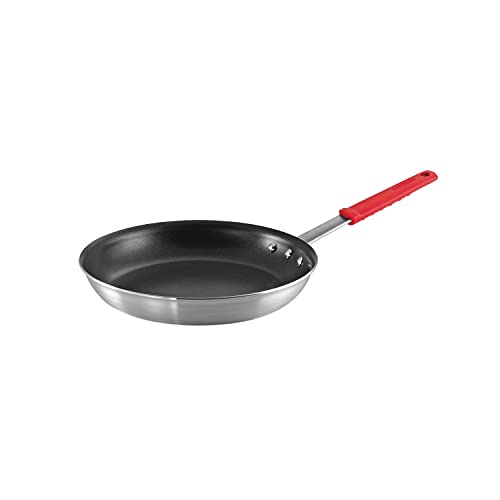
- When stir-frying, it's important to use a hot pan, so the Chop Suey doesn't get soggy. I like using a large frying pan as the extra surface area allows more of the food to come into contact with the hot pan. The additional mass also helps it retain heat better, so the temperature doesn't fluctuate as much when you add ingredients.
- Stir-frying the meat separately in the center of the pan avoids the need to temporarily remove ingredients from the pan, and it also allows the vegetables around the edges of the pan to brown in parts, which imparts some wok-charred taste to the Chop Suey.
Ingredients for Chop Suey
Like any stir-fry, the ingredients for this one are pretty flexible, just make sure you maintain the relative ratios of protein and veggies to sauce, and you should be good.
- Protein - I usually add about 200 grams of protein to my Chop Suey. For this recipe, I've used pork shoulder chops, but any tender, flavorful cut of meat or seafood such as chicken or shrimp will work. If you want to make this vegan friendly, you substitute your favorite plant-based protein, such as firm tofu, seitan, or tempeh. If you're using tofu, be sure to use firm tofu and drain it well on a rack for about 30 minutes before you marinate it, so it doesn't get watery.
- Chicken Stock - The stock forms the base for the sauce, so it's best to use a good quality chicken stock. If you want to make this plant-based, you can substitute a vegetable or mushroom stock instead.
- Oyster Sauce - This is the primary seasoning ingredient for both the marinade as well as the sauce. It has a wonderful balance between savory and sweet and imparts loads of umami without making the dish taste overly fishy. If you want to make this (or any dish calling for oyster sauce) plant-based, just substitute half the called for amount with soy sauce, and add a pinch of sugar. For example, instead of 1 tablespoon oyster sauce, you can add ½ tablespoon of soy sauce and a ¼ teaspoon of sugar.
- Seasonings - The other seasonings are white pepper and sesame oil. You can substitute black pepper for the white pepper if you want. The sesame oil is optional, but it adds a nice nutty flavor to the dish.
- Starch - Starch is used in both the marinade for the meat as well as the sauce. In the marinade, it helps keep the meat juicy and tender. For the sauce, it's used to thicken it. I prefer potato starch for thickening sauces. Unlike cornstarch, it thickens without clouding the sauce, and it does not get gummy, even after it cools. Bob's Red Mill is the most common brand in the US.
- Aromatics - Together with the seasonings, the garlic and ginger in this recipe give Chop Suey its flavor.
- Vegetables - I've added about 500 grams (a little over a pound) of vegetables to my Chop Suey. There are 70 grams of each vegetable, except for the cabbage in this recipe. I doubled the amount of cabbage because it has a tendency to shrink so much when cooked. I've added celery, onions, carrots, bell peppers, cabbage and snap peas to mine, but any colorful assortment of veggies with a relatively low moisture content should work. Some ideas include: bok choy, green beans, zucchini, jicama, bean sprouts, broccoli, kohlrabi, peas, corn, and asparagus.
- Carbs - Chop Suey is often served over noodles or rice. I used thick chow mein noodles, but any Asian-style noodles should work. You can also use crispy fried noodles or fried rice.

How to make Chop Suey
As with any stir-fry, Chop Suey goes quickly once you start cooking, so be sure to prep all of the ingredients before you start cooking, and have them ready to go near your pan. You'll also want to time your noodles or rice to finish cooking around the same time as the Chop Suey.
The first thing you're going to want to do is to marinate your protein. To do this, cut it into ¼-inch thick strips and add it to a bowl along with the Shaoxing wine, oyster sauce, and potato starch. You can marinate this ahead of time, but all it really needs is the time you'll spend preparing the other ingredients.
For the sauce, just whisk together the chicken stock, oyster sauce, potato starch, white pepper, salt, and sesame oil and set this aside.
Once you've prepped all of the vegetables, heat a large frying pan over high heat and add the vegetable oil, garlic, and ginger. Swirl them around the pan until fragrant, but don't let them brown yet.
Add the celery, onions, carrots, and bell pepper and stir-fry the mixture until the onions have started turning translucent, but they're still crisp. You don't want the vegetables to be fully cooked, or they will end up mushy by the time the dish is done.
Move the vegetables to the side of the pan, and add the marinated pork to the center of the pan. Spread the meat in a single layer around the center of the pan and then let it fry undisturbed until it's started to brown on one side. This step gets some of the meat and vegetables browned around the edges, which gives them a wok-fried flavor.
Stir-fry the pork in the center of the pan until it's mostly cooked through and then toss it together with the vegetables.
Add the cabbage and snap peas and continue stir-frying the mixture until the snap peas are vibrant green, and the cabbage has wilted a bit. Be careful not to overcook these or they'll lose their color and texture.
Give the sauce a stir to recombine the settled starch and then pour it over the Chop Suey. Toss everything together until the sauce is nice and thick and has coated all of the ingredients.
Serve the Chop Suey immediately on a bed of rice or noodles. For more ideas, check out this article, Easy Chinese Food Recipes: Take-out from Your Kitchen.
Other Easy Stir-fries
- Moo Goo Gai Pan
- Hunan Chicken
- Kung Pao Tofu or Kung Pao Chicken
- Chicken Jalfrezi
- Black Pepper Beef or Black Pepper Chicken
📖 Recipe


Equipment



Units
Ingredients
for pork
- 200 grams pork chop or your favorite protein
- 1 tablespoon Shaoxing wine
- 1 tablespoon oyster sauce or ½ tablespoon soy sauce for plant-based
- 1 teaspoon potato starch
for sauce
- ¾ cup low-sodium chicken stock or vegetable stock
- 1 tablespoon oyster sauce or ½ tablespoon soy sauce for plant-based
- 2 teaspoons potato starch
- ¼ teaspoon ground white pepper
- ¼ teaspoon salt
- 1 teaspoon toasted sesame oil
for stir-fry
- 1 tablespoon vegetable oil
- 10 grams garlic ~2 medium cloves, minced
- 8 grams fresh ginger ¼-inch coin, peeled and minced
- 70 grams celery ~1 rib, sliced at an angle
- 70 grams onion ~½ small onions, sliced
- 70 grams carrot ~ ½ carrot, julienned
- 70 grams red bell pepper ~ ½ pepper, julienned
- 140 grams cabbage ~2 leaves, chopped
- 70 grams snap peas 10 snap peas, trimmed and sliced
for noodles
- 400 grams fresh chow mein noodles boiled according to package directions
Instructions
- Bring a large pot of water to a boil for the 400 grams fresh chow mein noodles. If you prefer serving this over rice, you can make rice instead. The Chop Suey takes about 8 minutes to cook, so be sure you time your noodles or rice so that it's done around the same time as the stir-fry.
- To prep the 200 grams pork chop, cut it into ¼-inch strips and add it to a bowl with the 1 tablespoon Shaoxing wine, 1 tablespoon oyster sauce, and 1 teaspoon potato starch to a bowl and stir well to combine.

- To prepare the sauce, add the ¾ cup low-sodium chicken stock, 1 tablespoon oyster sauce, 2 teaspoons potato starch, ¼ teaspoon ground white pepper, ¼ teaspoon salt, and 1 teaspoon toasted sesame oil to a bowl and whisk to combine.
- When your vegetables are all chopped and ready, heat a large frying pan over high heat.
- Add the 1 tablespoon vegetable oil to the pan with the 10 grams garlic and 8 grams fresh ginger and fry until fragrant (about 20 seconds).
- Add the 70 grams celery, 70 grams onion, 70 grams carrot, and 70 grams red bell pepper and stir-fry until the onions become translucent.
- Move the vegetables towards the edges of the pan to make room in the center and add the marinated pork. Press the pork out into a flat layer and let it brown on one side.
- Stir-fry the pork in the center of the pan until it's mostly cooked through. Then continue stir-frying it together with the vegetables.
- Add the 140 grams cabbage and 70 grams snap peas and stir-fry until the snap-peas are bright green.
- Give the sauce a stir and then add it to the pan. Boil the mixture until the sauce thickens. Adjust salt and pepper to taste.
- Serve the Chop Suey over noodles or rice.


Nutrition Facts
FAQ
According to E. N. Anderson, a cultural anthropologist, the name "Chop Suey" can be traced to a dish native to Taishan called tsap seui (杂碎), which means "miscellaneous leftovers."
Although Chop Suey has Chinese roots, it is one of the first examples of Chinese-American cuisine. There are many myths of how it was invented, but it's most likely an adaptation of a dish from Guangdong province brought to the US by Chinese laborers. Like any group of migrants, they craved foods from their homeland, but without access to the same ingredients, they made do with the ingredients that were locally available at the time.
This recipe is easily converted by substituting the pork, chicken stock, and oyster sauce with your favorite plant-based protein, vegetable stock, and soy sauce. See my notes in the Ingredients section above for specific details.
Although stir-fries are best made in a very hot wok, I don't recommend using a wok on most home stoves. When used on a wok-burner, woks allow the flame from the stove to travel up the sides of the pan, heating it evenly and giving you tons of surface area to work with. Most western home burners are engineered to evenly heat flat-bottomed pans and don't put out nearly enough energy to heat the sides of a wok. This defeats the whole purpose of using a wok since you will be limited to a very small area in the center that is hot enough. Instead, I recommend using a large flat-bottomed frying pan, which will give you plenty of surface area that is evenly heated.
Because this dish has a thick, flavorful gravy, it's best served over plain rice or noodles. It can also be served on a bed of fried rice or crispy fried noodles.
Frank says
Just finished dinner with my family and it was awesome. It was very tasty but not too strong. and very easy to make. I followed your instructions and had it over rice.
Thank you!
Frank
Marc Matsumoto says
Hi Frank, I'm happy to hear that you and your family enjoyed this! Here's another similar recipe you might be interested in: https://norecipes.com/moo-goo-gai-pan/
Nadine says
Loved it! Easy and healthy. This'll be a weekly regular in my house I bet.
Marc Matsumoto says
Glad to hear you enjoyed it Nadine!
Eileen says
Loved the recipe! Very easy to make. Thanks, Marc!
Marc Matsumoto says
Awesome! I'm so glad to hear you enjoyed it!
Channon Doughty says
I have never really known what chop suey entailed until now. I cannot wait to try it! As a naive Appalachian-American, I don't know the political history to which you refer, and would love to learn more. Can you tell us about it, or point me to a good source?
Marc Matsumoto says
Hi Channon, to be honest it's one of those things I've heard about my whole life (including the sign in the town I grew up in), but I never had it until I was an adult, and my first few experiences in restaurants were disappointing. Regarding the political history, it's just speculation on my part, but I think it's the same reason why Kiwifruit is called "Kiwifruit" and not "Chinese Gooseberry" (its original name). China and anything associated with it wasn't very popular during the Red Scare in the late 40's and 1950's.
Grace Braver says
https://escholarship.org/uc/item/2bc4k55r
Chop Suey as Imagined Authentic Chinese Food: The Culinary Identity of Chinese Restaurants in the United States by Haiming Liu 2009 is a great resource to educate yourself!
Petrs says
Yum yummmilicioussss!!!!!
sophia says
your recipes never miss! I enjoy your site very much, majority of my cooking is asian and you are a great help. thanks so much
Marc Matsumoto says
You're welcome Sophia! Thanks so much for stopping by to let me know you've been enjoying my recipes. Have a wonderful week!
Patricia Cavallaro says
Marc, I love your site and I have adapted some of your recipes for my own needs. I am a vegetarian and there are too many meat recipes I cannot adapt. Is it possible for you to create an vegetarian only tab.? Or, perhaps a section that offers veggie only versions for your super recipes? That would be super for a lot of readers. Thanks for any consideration you give to these questions.
Marc Matsumoto says
Hi Patricia, I have vegan and vegetarian categories on the site: https://norecipes.com/diet/vegetarian/ https://norecipes.com/diet/vegan/. Was that what you had in mind, or something else?
Lynne says
A suggestion to those that are unsure about using all sesame oil to stir fry. When I started cooking stir-fries, I found that everyone said not to use it; I don't remember the reason. So I came up with a solution: Just as adding a higher temperature oil with butter to sauté or whatever keeps the butter from burning, I reasoned that would work with sesame oil too. So I keep a custom blend of 3 parts neutral oil and 1 part sesame oil on hand. I keep it in a sesame oil bottle, and every time I empty another sesame oil bottle, I use that as my new "stir-fry oil" bottle. It adds a nice subtle sesame flavor; you can drizzle on more sesame oil at the end if you want the flavor stronger.
BARBARA WILLKOMM says
Is the oyster sauce gluten free?
Marc Matsumoto says
Hi Barbara, I think it will depend on the brand. Good oyster sauce shouldn't contain much more than oysters, salt, and sugar, but I think a lot of the cheaper brands add other additives.
BARBARA WILLKOMM says
Is the potatoe starch gluten free?
Marc Matsumoto says
Hi Barbara, potatoes do not contain gluten so the starch should be gluten free, but you'll always want to check the label of the brand you're buying as it may be processed/packaged in a facility that handles wheat in which case there's a risk of cross contamination.
Lynda Monds says
I have a problem in converting grams to a measurement I'm familiar with.
Marc Matsumoto says
Hi Lynda, sorry about that, the conversion feature wasn't enabled for this recipe. You can convert the measurements to US Imperial using the button at the top of the recipe now.
Lemmonee says
How long do you marinate the pork for? Thanks
Marc Matsumoto says
Hi Lemmonee, because the pork is sliced into small pieces, there's no marination time, you just keep moving once you've soaked it in the marinade.
Lemmonee says
Marc thank you so much what a treat this was. With the preparation it is easy and ready in no time. I cook for myself and parents, I double the sauce amount. We enjoyed the lighter sauce that let the veg and pork shine. I used sake that we had and will try the Shaoxing wine next time. Rice was perfect. I purchased some potato starch it is worth the effort to find the sauce was really nice. We all loved the crunchy vegetables and that's what chop suey is all about.
Marc Matsumoto says
I'm so glad to hear you enjoyed this. Thanks for stopping back by to let me know. Potato starch is great isn't it? It's also great as a coating when frying things (like karaage) as it forms a nice crispy crust. I don't use cornstarch for anything anymore, as the only benefit it has over potato starch is a lower gelling temperature, but when I need something to set at a low temperature like a custard, I use tapioca starch.
Rob says
Sounds great!
No soy sauce?
And do you really Use toasted Sesamöl oil for stir fry ? Doesn ´t it geht bitter?
Many thanks and best regards
Rob
Marc Matsumoto says
Hi Rob, Oyster sauce has much more flavor than soy sauce which is why it's often used in Chinese stir-fries. As for the sesame oil, as long as you're toasted sesame oil is properly filtered (i.e. it's not cloudy) you shouldn't have problems with it getting bitter. If you're worried about it you can swap it out for a more neutral oil, but I wouldn't have posted this if I didn't think it was good.
Rob says
Hi Marc, many thanks for your quick response👍Will try it out your way and come back