

I love fried chicken of all kinds, but Karaage is my absolute favorite. With bite-size pieces of juicy skin-on chicken thigh meat surrounded by a crispy crust, this Japanese fried chicken is an exquisite balance of taste, texture, and aroma. Like pizza, it's even good served cold in a bento box lunch.
Jump to:
Why My Recipe Works
- Use potato starch - The unique granule size and starch composition of potato starch allows it to form a thin, yet shatteringly crisp crust.
- Simple marinade - Avoid the temptation to add sugar or mirin to your marinade. A simple soy sauce, sake, and ginger marinade seasons without burning.
- Skin on thighs - Thigh meat has more flavor and will stay tender and juicier longer than breast meat. The skin not only protects the meat from drying out, but it also crisps up, giving the karaage a durable, lasting crunch.
- Single fry - Although many fried chicken recipes call for double frying I think this dries smaller boneless cuts of chicken out. Single fry to 160°F (71°C) and let carryover cooking finish for maximum juiciness.
What is Karaage?

Karaage is a Japanese dish which is thought to have been introduced from China in which a protein or vegetable is dusted in flour or potato starch and deep-fried until crisp and golden brown. Chicken is the most common protein, but it's also made with seafood, such as fugu (blowfish). The name "karaage" literally means "empty fried" so historically the food was not seasoned prior to dusting.
Karaage (から揚げ) vs. Tatsutaage (竜田揚げ)
To the east of Osaka, there is a river called Tatsuta-gawa, famous for its beautiful autumn foliage. When the chicken pieces are marinated in soy sauce before being coated in starch and fried, it turns the color of autumn leaves, which is how Tatsutaage is said to have gotten its name. By this definition, what most of us know as Karaage is technically Tatsutaage.
That being said, in modern parlance, the two names are used interchangeably, and while there may be some regional preferences, "Karaage" is the more commonly used of the two.
Ingredients for Karaage

Chicken
Although Karaage can be made with almost any kind of meat or fish, it's most commonly made with various cuts of chicken. The standard is skin-on boneless chicken thighs. There are two reasons why thigh meat tastes better than chicken breast meat. The first is that the type of muscle tissue in the legs is fundamentally different from that of breast meat. They are built for endurance and contain a higher concentration of myoglobin, which gives leg meat its characteristic dark color and umami-rich taste.
The second is that leg meat is fueled by fat (vs. glycogen for breast meat), which is why thigh meat typically has a higher fat content than breast meat. We've all heard the saying "fat=flavor," but it's not just flavor that the fat imparts. As meat cooks, the muscle fibers contract and expel water, but since fat takes longer to render out, the leg meat ends up juicier and harder to dry out. Skinless chicken thighs will also work here if you can't get skin-on thighs.
I also like to use skin-on thighs for Karaage because the skin helps insulate the meat (at least on one side) from the high temperature of the oil, ensuring juicy chicken. When it's done frying, most of the oil should be rendered out of the skin, making it nice and crisp, while the underlying meat is tender and juicy. Finding boneless skin-on chicken thighs in the US can be challenging if you don't have an Asian market nearby, so I've made a tutorial on How to Debone Chicken Thighs, which also shows you how to debone whole legs.

The last thing to consider with chicken for Karaage is to use the best quality you can find. This means using fresh chicken that has not been previously frozen and, ideally, a heritage breed raised cage-free. Ice crystals that form during freezing rupture cell walls, which make meat spongy and also allow the liquids to drain out faster as the meat cooks. Most supermarket chickens are "broilers" bred for commercially favorable reasons (like reaching maturity more quickly), none of which include things like better texture or flavor. This is why traditional heritage breeds tend to taste better (but also cost more). Free-range birds also tend to taste better because they get more exercise. They also eat a more varied diet, snacking on natural foods in their environment.
Seasonings
There are so many ways to season Karaage, but to this day, the best Karaage I've ever had was simply seasoned with soy sauce, sake, and ginger. This is why my marinade ingredients are so basic. The soy sauce brings salt and umami, while the sake imparts a mild sweetness and amino acids, resulting in a synergistic boost of umami. The ginger smooths over any gaminess in the boneless thigh meat, adding a spicy note, while enzymes like zingibain help tenderize the meat.
Some people like to add garlic to their marinade, but I don't because it overpowers the chicken's delicate flavor. I also don't recommend adding anything sweet, such as fruit juice, mirin, or sugar, to the marinade, as it will burn and make your karaage dark and bitter.
For variations, you can marinate the protein for Karaage using a salt brine, curry powder, Chinese five-spice powder, white pepper, or chili powder. I've even swapped out the soy sauce for fish sauce from time to time. My Shio Karaage Recipe features grated garlic cloves, black pepper, and sake for a lighter flavor.
Coating
Karaage can be coated with almost any flour or starch, but my personal favorite is potato starch. It results in a shell with a light extra crispiness similar to potato chips in texture, and I prefer this light crust. Potato starch is not the same as potato flour (made by dehydrating potato pulp). Cornstarch and wheat flour both result in a denser crust, with the former producing a texture similar to tortilla chips and the latter producing a shell more like buttermilk fried chicken. In the US, potato starch is produced by Bob's Red Mill and should be available in most upscale supermarkets and online.
As a side note, I prefer using potato starch (over cornstarch) in almost every application, whether thickening a sauce, coating a food, or binding ingredients together. If you don't have it in your pantry, I highly recommend ditching the cornstarch and picking up some potato starch instead.
To Double Fry or Not to Double Fry

Double frying is a process in which you fry a food once, remove it from the oil, and then fry it again. This creates a crust with a crunch/crispness that tends to keep the karaage crispy for a bit longer. I recommend double-frying most types of fried chicken, including my Korean Fried Chicken, and Tebasaki. The problem is that the longer cooking time tends to overcook the meat. This is fine for wings, where it's really about enjoying the crispy chicken skin, but for my Karaage Chicken recipe, it's about the juicy, flavorful leg meat, so I don't double fry my karaage.
How to make Karaage
Marinate
- Cut the chicken thighs into evenly sized pieces about the size of a golfball.
- Marinate the chicken with soy sauce, sake, and ginger.
💡TIP: How long you marinate it will affect how salty it is, so you can adjust the marination time to suit your preferences. Generally, I tend to marinate it longer if I'm going to serve it with rice, or I'm planning to pack it into a bento box, and I'll marinate it for less time if it's going to be a stand-alone dish.
Dredge
- For each chicken piece, shape it into a ball and stretch the skin to cover as much of the ball of chicken as possible.
- Dredge the chicken pieces in potato starch to coat evenly.
Deep Fry (Stovetop)
- Heat a heavy pot with 2-inches of vegetable oil to 340°F (170°C) and prepare a cooling rack by lining it with several layers of paper towels.
- Lower a few pieces of coated chicken into the preheated oil. Do not overcrowd the pot.
- Flip periodically and cook until the chicken is golden brown and registers an internal temperature of 160°F (71°C).
- Transfer the cooked chicken to the prepared rack and fry the remaining chicken in batches. Let the chicken rest for a few minutes before serving.
💡TIP: Experienced fryers in Japan can consistently judge the chicken's internal temperature by the size of the bubbles forming in the oil around the meat, but this is a skill that takes time and practice to learn. In the meantime, I recommend keeping an instant-read thermometer handy and checking each piece of karaage chicken until you feel more comfortable judging when it's cooked.
Air Fryer Karaage (Variation)
- Lightly oil the basket or line with perforated parchment paper.
- Arrange chicken in a single layer with space between pieces. Spray both sides with oil.
- Air fry at 400°F (200°C) for 12-14 minutes, flipping at 8 minutes.
- Cook until the thickest piece reaches 160°F (71°C). Rest 3 minutes.
💡TIP: For extra crunch, air fry 1-2 minutes longer.

Storage & Reheating
Let the karaage cool completely, then store it in an airtight container lined with paper towels in the refrigerator for up to 3 days. For longer storage, freeze the pieces on a tray until firm, then transfer them to a freezer bag for up to 1 month. To reheat from the fridge or freezer, bake in a toaster oven or air fry at 400°F(200°C) until hot and crisp (about 5-7 minutes from chilled, a few minutes longer from frozen). For bento, pack the chicken only once it has fully cooled to prevent condensation and sogginess.
What to Serve with Chicken Karaage
Serve karaage with a bowl of Japanese short‑grain rice and a heap of Japanese shredded cabbage salad drizzled with nutty sesame wafu dressing or citrusy ponzu sauce. For a tangy contrast, make a side of my cucumber sunomono or or prep a batch of quick pickled asazuke cabbage. Another popular side dish for karaage is creamy Japanese potato salad. You can also serve this over rice to make Karaage Donburi garnished with mayo and a hot spring egg.
If you happen to have leftovers, this Japanese fried chicken is fantastic paired with a classic umeboshi onigiri or a tuna mayo onigiri. Add a small portion of sweet-savory kinpira gobo, a slice of tamagoyaki, and some colorful vegetables to round out your bento box lunch.
📖 Recipe


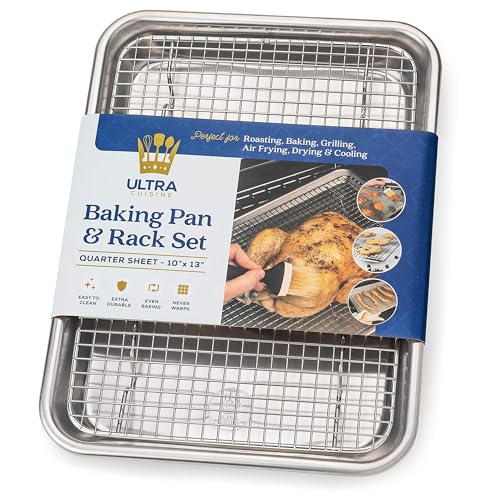
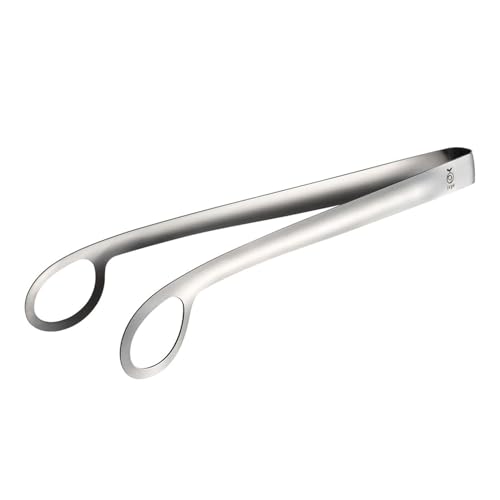
Equipment



Units
Ingredients
For kaarage marinade
- ⅓ cup soy sauce
- 2 tablespoon sake
- 25 grams fresh ginger (grated)
For the chicken
- 900 grams boneless skin-on chicken thighs (cut into bite-size pieces)
- 170 grams potato starch
- vegetable oil (for frying)
- ½ lemon (sliced into wedges for serving)
Instructions
- To make the karaage marinade, mix the ⅓ cup soy sauce, 2 tablespoon sake, and 25 grams fresh ginger in a bowl to combine.

- Add the 900 grams boneless skin-on chicken thighs and mix well to coat each piece with the kaarage marinade. Cover and refrigerate, allowing the pieces of chicken to marinate for at least 1 hour or up to 4 hours.
- When you are ready to fry the karaage, add 1 inch of vegetable oil in a heavy bottomed pot or deep fryer and heat until the oil temperature reaches 340 degrees F (170 C). Prepare a paper towel-lined wire rack.
- While you wait for the oil temperature to rise, add the 170 grams potato starch to a shallow bowl and dredge the marinated chicken to coat each piece evenly, tapping off any excess potato starch with your hand. Set the coated pieces on a tray.
- When the deep frying oil is ready, fry the coated chicken pieces in batches. Don't overcrowd the pot, and fry chicken in batches that have roughly the same size pieces so they will cook at about the same time.
- After a few minutes, start checking the pieces of chicken for doneness. When the karaage hits an internal temperature of 160 degrees F (71 C) on a meat thermometer, transfer them to the paper towel-lined wire rack and let the chicken rest for a few minutes before serving them. Serve with ½ lemon cut into wedges.


Nutrition Facts
FAQs
Ka-ra-a-ge has four syllables and each one is pronounced as follows:
ka like copy
ra the "ra" sound does not exist in the English language, and the best way to make it is to say the word "romp" with the tip of your tongue at the front of your mouth.
a like aardvark
ge like get
There's some debate about the origin of the name, but characters 唐揚げ literally mean "Chinese Fried".
Sake is added to the marinade for four reasons:
1. Sake contains a ton of amino acids, which creates the taste of umami.
2. Sake, which is made with rice, imparts the rice's unique flavor to the chicken.
3. It contains some residual sugars that lend a sweetness to the marinade without making it sweet.
4. The liquid will dilute the soy sauce, preventing it from getting too salty.
Unfortunately, there is no good substitute for sake that hits all four of these factors. (You can read more about this in my article, Best Sake for Cooking.) For example, the chicken stock will add amino acids and help dilute the marinade, but it won't add rice flavor or sweetness. Fruit juices are too sweet, and the acidity will make the marinade sour. White wine has residual sugars, but the flavor is fruity and acidic. Although it's not going to taste the same as using sake, chicken stock or dashi with a small pinch of sugar is the best 1-1 substitute.
The marinade contains such a small amount of sake that the heat from frying will vaporize most, if not all, of the alcohol. Soy sauce also contains 2-3% alcohol by volume as a natural byproduct of fermentation (the same goes for miso).
Since Japanese fried chicken is seasoned in a soy-sake marinade, it's typically eaten without a dipping sauce. I enjoy just a squeeze of lemon juice on my Chicken Karaage to balance its richness. Some people also like to dip it in Japanese mayonnaise. This Karaage Chicken recipe can also be turned into many other dishes by coating it with a sauce. This is how I make my Orange Chicken and Japanese Sweet & Sour Chicken.
Karaage is one of the most popular bento items in Japan. Aside from being a hit with kids and adults alike, it packs and transports well because it's well-seasoned and has a low moisture content.
Pam McDonald says
I live in Oregon and have a Japanese aviation student staying with me who says this one of the most favored dishes in Japan. He cooked this for me and it was delicious so I searched the web for a recipe and showed it to him. He says these are all the correct ingredients and I cannot wait to cook it, I love Japanese food and this is one I had not heard of. Thanks for the recipe.
Ernest says
A little Sambal Oelek in the marinade adds a nice subtle kick.
Ernest says
I tried using a cheap one that claimed to be premium sake $4, ended up with slightly bitter/ off kind of taste. After doing some research I went and got a bottle that clearly said Junmai Ginjo on the label. I haven't looked back. Plus side is it is fairly drinkable but I keep a bottle handy just for cooking. I'm a whiskey drinker.
And as for the Mirin, Kikkoman aji mirin is laced with corn syrup. I ditched that and got Eden Foods mirin. The difference is night and day. It is $7 a bottle but it's not like you'll use the whole bottle at once.
SolidTD says
I will agree, that not spending a lot for sake that's going to be cooked, with other ingredients, is probably good practice. At the same time, I wouldn't want to put Nigori Sake in the mix, if it didn't call for it; even though, I can get Nigori for really cheap in my area. These sakes give the chicken different flavor. I'm just trying to find one that will blend the best.
Which type do you have lying around when you make your recipe?
Which type do you regularly use?
Which type do you perfer?
(These questions are assuming you've tried this recipe with multiple types.)
Marc Matsumoto says
Yep breast will work, but it has less fat so will have less flavor and be dryer. If you're worried about the fat content of using skin-on thighs, skinless thighs with the visible fat trimmed off would be a good compromise.
Savrien454 says
is it possible to use any other parts of the chicken besides the thighs? Can I also use this with skinless chicken breasts?
Marc Matsumoto says
If you can't find/use sake for some reason water would be the best substitute, but it will affect the flavor.
Marc Matsumoto says
Great idea! I'm at my grandmothers house right now and she's at the age now where she doesn't cook anymore. I've been cooking for the family all week, and had to go out and buy a bunch of kitchen basics, but since I won't be here long it's been challenging to limit myself to the absolute necessities. Here's a quick list of pantry stuff I've been buying
Olive oil, regular oil, japanese soy sauce, sugar, sea salt, flour, miso, pepper, some kind of hot sauce, sake, dashi, canned tomatoes, canned (or jarred) italian tuna, italian anchovies in oil, whole block
of parmesan cheese, spaghetti, onions, garlic, ginger, scallions.
With these basics (+ veggies, and meat), you can make a ton of dishes.
lmchibisuke says
how would using water instead affect the taste?
lmchibisuke says
what if you leave out the sugar in the recipe? Do you think it would even out?
Ernest says
Marc, I can't express enough how much I appreciate your effort and site. I stumbled on it a few months ago and I thoroughly enjoy everything that I have tried. But the Karaage! I'm addicted to the Karaage.
How about putting together a list of essential kitchen ingredients, if you ever have some time to spare?
And by the way, Lodge makes a 10 inch deep skillet that fries anything beautifully. Less than $30 on Amazon.
Ernest says
Very true. It's just my philosophy on food is to use the best ingredients whenever possible. You wouldn't put regular gas in a Ferrari, would you? LOL
Marc Matsumoto says
While you can't go wrong with a more expensive bottle of sake (such as Junmai Daiginjo), it's a little overkill since you really won't be able to tell the difference in the finished product ( the soy sauce, ginger and garlic, will cover up any differences). That said, since this recipe only uses 1 tablespoon, you could buy a bottle, use a little bit to make the karaage, and drink the rest:-)
Marc Matsumoto says
All three of the ones you mentioned are inexpensive sakes that are fine for cooking. It's a waste of money buying really expensive sake for cooking as most of the subtleties that make them so expensive will get lost amidst the other ingredients.
Ernest says
I normally get ones that say Junmai Ginjo ($7 for a 300ml bottle). Junmai Daiginjo is hard to come by around my area but it's supposed to be top notch.
SolidTD says
What kind of sake should one use?
There's a local Japanese super market and I can get may different types. I was told "Ozeki One Cup" is for cooking.
I was at the general store and there was better deals on bottles. They have
"Gekkeikan Taditional" and "Sho Chiku Bai Classic Junmai"
Jin Ah says
Thank you soooo much for this recipe. I order karaage every time it's available. I made this last night. I agree with Ernest. I like my karaage a bit more seasoned although I only marinated it for 1.5 hrs. I'm going to add some spice next time, maybe some cayenne. Love the curry idea.
Marc Matsumoto says
Nope, you don't need to coat it again to fry a 2nd time. Just stop the first fry before it gets too dark, and then brown it all the way on the second fry. As for substituting mirin for sake, I wouldn't recommend it. Mirin is much sweeter than sake, which isn't a problem if you like it sweet, but the issue is that the sugar will burn before the chicken is cooked.
Marilia says
To fry it a 2nd time do you need to coat it again or just drop it in hot oil? Is mirin a good sub for sake? Mirin is always in my cabinet. Sake not so much.
Ernest says
So I decided to try this again. This time I marinated the chicken overnight. Spiked it with a touch of fish sauce (red boat brand). Fantastic
Ernest says
And just FYI, that Bob's red mill potato starch might be a little expensive but it's worth it. I used some cheap potato starch and it stuck to utensils like super glue. Bob's red mill is the way to go.
Ernest says
I use Yamasa Brand, full sodium, I don't do low sodium.
Ernest says
And just FYI, that Bob's red mill potato starch might be a little expensive but it's worth it. I used some cheap potato starch and it stuck to utensils like super glue. Bob's red mill is the way to go.
Marc Matsumoto says
Glad to hear you liked it. What kind of soy sauce did you use?
Ernest says
I tried tried this yesterday, marinated for about 4 fours. The crunchiness was outrageous!!
Next time I'll up the soy sauce though, it was a tad bit under seasoned.
Ernest says
I tried tried this yesterday, marinated for about 4 fours. The crunchiness was outrageous!!
Next time I'll up the soy sauce though, it was a tad bit under seasoned.
Marc Matsumoto says
Thanks for the note! I visited Ubud last year and it was stunning. While I didn't get a chance to go to any local markets, let me know if you run into any ingredients you can't find there as I might be able to suggest a substitute.
Emme says
My husband and I moved to Ubud, Bali a year ago and I am always looking for new recipes with 'accessible' ingredients as not everything is easily available here 🙂 I am thrilled to have come across your blog and even more excited to try this recipe! I am looking forward to following your blog and cooking my little heart out 🙂 Terima Kashi
Adrianna says
Delicious and easy! I lived in Japan for many years and always had trouble finding authentic recipes in English. Thank you for the wide selection of favorites, I can't wait to try another recipe soon!
Marc Matsumoto says
The alcohol burns off when it's cooking so it should not be a problem, but if your parents still don't let you use it, substitute water. Rice wine vinegar is rice wine that has undergone the last stage of fermentation and turned to vinegar, it doesn't really taste like sake anymore, and it will make your chicken sour.
Tarla says
Would rice wine vinegar do the trick?
Tarla says
I'm a minor so i can't use alcohol at all, are there any substitutes for sake?
Marc Matsumoto says
Mirin will work, but it will be a little sweeter.
Tania says
what if you cant get sake or use it how about mirin
Marc Matsumoto says
Yep, that should be fine.
Marilia says
Can I put Soju instead of sake?
Syna says
I tried this yesterday! It was full of crunchiness and crispiness! What a wonderful cooking experience! Thank you for this piece of gold!
Marc Matsumoto says
Thanks, glad you like it! If you're going to forgo the marinade for the meat and put tomato sauce and cheese on it, why not just make regular chicken parm?
The Hsinru Social says
I need your advice! I LOVE your recipe and have made chicken karaage a few times. I'm having a guest over that eats only chicken Parmesan; so I want to create a Japanese-Italian dish that is inspired by chicken parmesan. Do you think I can deep fry the chicken Japanese style (just not use the soy sauce base), and then put it on a bed of tomato and melt some cheese ontop? What are your thoughts?
http://www.hsinrusocial.com
Marc Matsumoto says
Great idea! I'm gonna have to try that next time:-)
Jen Laceda says
I LOVE this! I sometimes put curry powder in mine, too 🙂 Probably not authentic Japanese, but oh-so-good!
Oui, Chef says
I MUST make this dish....I even have potato starch, yippee!
Thomas Abraham says
It makes me go nom nom nom right now... lovely pics and easy recipe.
Marilia says
It makes me go nom nom nom right now... lovely pics and easy recipe.
PolaM says
That is fried chicken 2.0! Have to try it!
Louis says
Hahaha I was just about to ask the same thing. So are you still in NYC, Marc?
Marc Matsumoto says
Hahaha, nice catch. It's a stove top rice cooker (i.e. a pot with marker lines). I just moved and it's the only pot I have right now.
Opaque.Megane says
Are you frying in your rice cooker bowl?! Why?
Jennie Toyokawa says
I totally agree with you on katakuriko...it's all I use...also I swear by chicken thighs. I am anxious to try your recipe...karage/tatsutaage is a staple in my house such that i don't use a recipe. I've not put garlic in before. Thanks.
Opaque.Megane says
Are you frying in your rice cooker bowl?! Why?