

I love fried chicken of all kinds, but Karaage is my absolute favorite. With bite-size pieces of juicy skin-on chicken thigh meat surrounded by a crispy crust, this Japanese fried chicken is an exquisite balance of taste, texture, and aroma. Like pizza, it's even good served cold in a bento box lunch.
Jump to:
Why My Recipe Works
- Use potato starch - The unique granule size and starch composition of potato starch allows it to form a thin, yet shatteringly crisp crust.
- Simple marinade - Avoid the temptation to add sugar or mirin to your marinade. A simple soy sauce, sake, and ginger marinade seasons without burning.
- Skin on thighs - Thigh meat has more flavor and will stay tender and juicier longer than breast meat. The skin not only protects the meat from drying out, but it also crisps up, giving the karaage a durable, lasting crunch.
- Single fry - Although many fried chicken recipes call for double frying I think this dries smaller boneless cuts of chicken out. Single fry to 160°F (71°C) and let carryover cooking finish for maximum juiciness.
What is Karaage?

Karaage is a Japanese dish which is thought to have been introduced from China in which a protein or vegetable is dusted in flour or potato starch and deep-fried until crisp and golden brown. Chicken is the most common protein, but it's also made with seafood, such as fugu (blowfish). The name "karaage" literally means "empty fried" so historically the food was not seasoned prior to dusting.
Karaage (から揚げ) vs. Tatsutaage (竜田揚げ)
To the east of Osaka, there is a river called Tatsuta-gawa, famous for its beautiful autumn foliage. When the chicken pieces are marinated in soy sauce before being coated in starch and fried, it turns the color of autumn leaves, which is how Tatsutaage is said to have gotten its name. By this definition, what most of us know as Karaage is technically Tatsutaage.
That being said, in modern parlance, the two names are used interchangeably, and while there may be some regional preferences, "Karaage" is the more commonly used of the two.
Ingredients for Karaage

Chicken
Although Karaage can be made with almost any kind of meat or fish, it's most commonly made with various cuts of chicken. The standard is skin-on boneless chicken thighs. There are two reasons why thigh meat tastes better than chicken breast meat. The first is that the type of muscle tissue in the legs is fundamentally different from that of breast meat. They are built for endurance and contain a higher concentration of myoglobin, which gives leg meat its characteristic dark color and umami-rich taste.
The second is that leg meat is fueled by fat (vs. glycogen for breast meat), which is why thigh meat typically has a higher fat content than breast meat. We've all heard the saying "fat=flavor," but it's not just flavor that the fat imparts. As meat cooks, the muscle fibers contract and expel water, but since fat takes longer to render out, the leg meat ends up juicier and harder to dry out. Skinless chicken thighs will also work here if you can't get skin-on thighs.
I also like to use skin-on thighs for Karaage because the skin helps insulate the meat (at least on one side) from the high temperature of the oil, ensuring juicy chicken. When it's done frying, most of the oil should be rendered out of the skin, making it nice and crisp, while the underlying meat is tender and juicy. Finding boneless skin-on chicken thighs in the US can be challenging if you don't have an Asian market nearby, so I've made a tutorial on How to Debone Chicken Thighs, which also shows you how to debone whole legs.

The last thing to consider with chicken for Karaage is to use the best quality you can find. This means using fresh chicken that has not been previously frozen and, ideally, a heritage breed raised cage-free. Ice crystals that form during freezing rupture cell walls, which make meat spongy and also allow the liquids to drain out faster as the meat cooks. Most supermarket chickens are "broilers" bred for commercially favorable reasons (like reaching maturity more quickly), none of which include things like better texture or flavor. This is why traditional heritage breeds tend to taste better (but also cost more). Free-range birds also tend to taste better because they get more exercise. They also eat a more varied diet, snacking on natural foods in their environment.
Seasonings
There are so many ways to season Karaage, but to this day, the best Karaage I've ever had was simply seasoned with soy sauce, sake, and ginger. This is why my marinade ingredients are so basic. The soy sauce brings salt and umami, while the sake imparts a mild sweetness and amino acids, resulting in a synergistic boost of umami. The ginger smooths over any gaminess in the boneless thigh meat, adding a spicy note, while enzymes like zingibain help tenderize the meat.
Some people like to add garlic to their marinade, but I don't because it overpowers the chicken's delicate flavor. I also don't recommend adding anything sweet, such as fruit juice, mirin, or sugar, to the marinade, as it will burn and make your karaage dark and bitter.
For variations, you can marinate the protein for Karaage using a salt brine, curry powder, Chinese five-spice powder, white pepper, or chili powder. I've even swapped out the soy sauce for fish sauce from time to time. My Shio Karaage Recipe features grated garlic cloves, black pepper, and sake for a lighter flavor.
Coating
Karaage can be coated with almost any flour or starch, but my personal favorite is potato starch. It results in a shell with a light extra crispiness similar to potato chips in texture, and I prefer this light crust. Potato starch is not the same as potato flour (made by dehydrating potato pulp). Cornstarch and wheat flour both result in a denser crust, with the former producing a texture similar to tortilla chips and the latter producing a shell more like buttermilk fried chicken. In the US, potato starch is produced by Bob's Red Mill and should be available in most upscale supermarkets and online.
As a side note, I prefer using potato starch (over cornstarch) in almost every application, whether thickening a sauce, coating a food, or binding ingredients together. If you don't have it in your pantry, I highly recommend ditching the cornstarch and picking up some potato starch instead.
To Double Fry or Not to Double Fry

Double frying is a process in which you fry a food once, remove it from the oil, and then fry it again. This creates a crust with a crunch/crispness that tends to keep the karaage crispy for a bit longer. I recommend double-frying most types of fried chicken, including my Korean Fried Chicken, and Tebasaki. The problem is that the longer cooking time tends to overcook the meat. This is fine for wings, where it's really about enjoying the crispy chicken skin, but for my Karaage Chicken recipe, it's about the juicy, flavorful leg meat, so I don't double fry my karaage.
How to make Karaage
Marinate
- Cut the chicken thighs into evenly sized pieces about the size of a golfball.
- Marinate the chicken with soy sauce, sake, and ginger.
💡TIP: How long you marinate it will affect how salty it is, so you can adjust the marination time to suit your preferences. Generally, I tend to marinate it longer if I'm going to serve it with rice, or I'm planning to pack it into a bento box, and I'll marinate it for less time if it's going to be a stand-alone dish.
Dredge
- For each chicken piece, shape it into a ball and stretch the skin to cover as much of the ball of chicken as possible.
- Dredge the chicken pieces in potato starch to coat evenly.
Deep Fry (Stovetop)
- Heat a heavy pot with 2-inches of vegetable oil to 340°F (170°C) and prepare a cooling rack by lining it with several layers of paper towels.
- Lower a few pieces of coated chicken into the preheated oil. Do not overcrowd the pot.
- Flip periodically and cook until the chicken is golden brown and registers an internal temperature of 160°F (71°C).
- Transfer the cooked chicken to the prepared rack and fry the remaining chicken in batches. Let the chicken rest for a few minutes before serving.
💡TIP: Experienced fryers in Japan can consistently judge the chicken's internal temperature by the size of the bubbles forming in the oil around the meat, but this is a skill that takes time and practice to learn. In the meantime, I recommend keeping an instant-read thermometer handy and checking each piece of karaage chicken until you feel more comfortable judging when it's cooked.
Air Fryer Karaage (Variation)
- Lightly oil the basket or line with perforated parchment paper.
- Arrange chicken in a single layer with space between pieces. Spray both sides with oil.
- Air fry at 400°F (200°C) for 12-14 minutes, flipping at 8 minutes.
- Cook until the thickest piece reaches 160°F (71°C). Rest 3 minutes.
💡TIP: For extra crunch, air fry 1-2 minutes longer.

Storage & Reheating
Let the karaage cool completely, then store it in an airtight container lined with paper towels in the refrigerator for up to 3 days. For longer storage, freeze the pieces on a tray until firm, then transfer them to a freezer bag for up to 1 month. To reheat from the fridge or freezer, bake in a toaster oven or air fry at 400°F(200°C) until hot and crisp (about 5-7 minutes from chilled, a few minutes longer from frozen). For bento, pack the chicken only once it has fully cooled to prevent condensation and sogginess.
What to Serve with Chicken Karaage
Serve karaage with a bowl of Japanese short‑grain rice and a heap of Japanese shredded cabbage salad drizzled with nutty sesame wafu dressing or citrusy ponzu sauce. For a tangy contrast, make a side of my cucumber sunomono or or prep a batch of quick pickled asazuke cabbage. Another popular side dish for karaage is creamy Japanese potato salad. You can also serve this over rice to make Karaage Donburi garnished with mayo and a hot spring egg.
If you happen to have leftovers, this Japanese fried chicken is fantastic paired with a classic umeboshi onigiri or a tuna mayo onigiri. Add a small portion of sweet-savory kinpira gobo, a slice of tamagoyaki, and some colorful vegetables to round out your bento box lunch.
📖 Recipe


Equipment


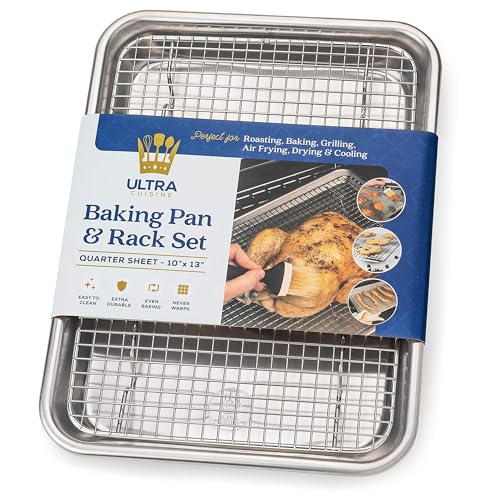
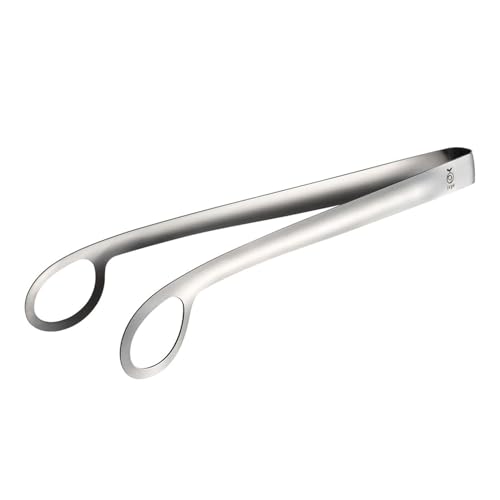

Units
Ingredients
For kaarage marinade
- ⅓ cup soy sauce
- 2 tablespoon sake
- 25 grams fresh ginger (grated)
For the chicken
- 900 grams boneless skin-on chicken thighs (cut into bite-size pieces)
- 170 grams potato starch
- vegetable oil (for frying)
- ½ lemon (sliced into wedges for serving)
Instructions
- To make the karaage marinade, mix the ⅓ cup soy sauce, 2 tablespoon sake, and 25 grams fresh ginger in a bowl to combine.

- Add the 900 grams boneless skin-on chicken thighs and mix well to coat each piece with the kaarage marinade. Cover and refrigerate, allowing the pieces of chicken to marinate for at least 1 hour or up to 4 hours.
- When you are ready to fry the karaage, add 1 inch of vegetable oil in a heavy bottomed pot or deep fryer and heat until the oil temperature reaches 340 degrees F (170 C). Prepare a paper towel-lined wire rack.
- While you wait for the oil temperature to rise, add the 170 grams potato starch to a shallow bowl and dredge the marinated chicken to coat each piece evenly, tapping off any excess potato starch with your hand. Set the coated pieces on a tray.
- When the deep frying oil is ready, fry the coated chicken pieces in batches. Don't overcrowd the pot, and fry chicken in batches that have roughly the same size pieces so they will cook at about the same time.
- After a few minutes, start checking the pieces of chicken for doneness. When the karaage hits an internal temperature of 160 degrees F (71 C) on a meat thermometer, transfer them to the paper towel-lined wire rack and let the chicken rest for a few minutes before serving them. Serve with ½ lemon cut into wedges.


Nutrition Facts
FAQs
Ka-ra-a-ge has four syllables and each one is pronounced as follows:
ka like copy
ra the "ra" sound does not exist in the English language, and the best way to make it is to say the word "romp" with the tip of your tongue at the front of your mouth.
a like aardvark
ge like get
There's some debate about the origin of the name, but characters 唐揚げ literally mean "Chinese Fried".
Sake is added to the marinade for four reasons:
1. Sake contains a ton of amino acids, which creates the taste of umami.
2. Sake, which is made with rice, imparts the rice's unique flavor to the chicken.
3. It contains some residual sugars that lend a sweetness to the marinade without making it sweet.
4. The liquid will dilute the soy sauce, preventing it from getting too salty.
Unfortunately, there is no good substitute for sake that hits all four of these factors. (You can read more about this in my article, Best Sake for Cooking.) For example, the chicken stock will add amino acids and help dilute the marinade, but it won't add rice flavor or sweetness. Fruit juices are too sweet, and the acidity will make the marinade sour. White wine has residual sugars, but the flavor is fruity and acidic. Although it's not going to taste the same as using sake, chicken stock or dashi with a small pinch of sugar is the best 1-1 substitute.
The marinade contains such a small amount of sake that the heat from frying will vaporize most, if not all, of the alcohol. Soy sauce also contains 2-3% alcohol by volume as a natural byproduct of fermentation (the same goes for miso).
Since Japanese fried chicken is seasoned in a soy-sake marinade, it's typically eaten without a dipping sauce. I enjoy just a squeeze of lemon juice on my Chicken Karaage to balance its richness. Some people also like to dip it in Japanese mayonnaise. This Karaage Chicken recipe can also be turned into many other dishes by coating it with a sauce. This is how I make my Orange Chicken and Japanese Sweet & Sour Chicken.
Karaage is one of the most popular bento items in Japan. Aside from being a hit with kids and adults alike, it packs and transports well because it's well-seasoned and has a low moisture content.
Anindita Sastavianti says
were you buy that frying pot?? look nice
PekPeko says
Tried this last night (albeit with cornstarch) and it was incredibly delicious. Crispy, juicy and super flavorful!
Marc Matsumoto says
Hi PekoPeko, I'm glad to hear you enjoyed it! If you can find it, I recommend looking for potato starch as it really changes the texture.
William Liu says
Made it! Very delicious and the recipe was very thoughtfully written
Marc Matsumoto says
Hi William, I'm so glad to hear you enjoyed it. Thanks so much for stopping by to let me know!
Michelle says
I am sorry but you make it sound like garlic and sugar were never in this recipe but they were always. Why did you change it.
Marc Matsumoto says
Ahh sorry, I misunderstood your question. I'm always looking for ways to improve my recipes so when I find ways to make them better I reflect them here. In this case I moved to Japan and learned the proper way to make Karaage. They don't add sugar in the marinade here because it tends to burn, giving the chicken mottled appearance. As for garlic, you can add it if you like, but it tends the cover up the taste of the chicken, and if you're using good quality (i.e. expensive chicken) it's a bit of a waste of the chicken as all you will taste is the garlic.
Michelle says
What happend to the old measurements with tablespoons and teaspoons.
Marc Matsumoto says
Hi Michelle, volumetric measurements like tablespoons and teaspoons are are great for liquids but they don't work all that well for solids and powders like chicken, ginger, or potato starch. In this case the measurement for the potato starch doesn't have be to be exact (just use as much as it takes to coat the chicken). For the other ingredients, if you don't have a scale, you can use the measurements provided by the supermarket (i.e. both chicken and ginger are usually sold by weight). I hope that helps.
Michelle says
Thank you Marc, no not really as I get a lot of ginger at a time. And I thought the Tablespoons and Teaspoons worked great.
In any case I don't get why you changed the recipe at all. You make it sound like you never sugar and garlic but you did. I had everything grated and ready but I always forget the amounts and it turns out you changed it. 🙁
Darryl says
Thanks Marc, delightful! This is how I deep fry my pork spareribs.
Marc Matsumoto says
Hi Darryl, that's a great idea! Do you usually cut the ribs up into small pieces or leave them whole?
Daniel says
Now, I do this with an airfryer, took me a while to perfect. That reduces the required oil considerably.
Marc Matsumoto says
Hi Daniel, that's impressive, I've never had much luck with air fryers. Curious what your method is if you don't mind sharing.
Mille says
This was AMAZING! My tita (aunt) found this recipe and we've all been attempting it because it was so tasty! Making this for the second time today, but a double batch because we ate the other one up way too quickly 😂
You say not to sub any other alcohol for the sake but we didnt have any on hand so we used some red wine 🤷 turned out AMAZING, still!
Next time I go to our Asian grocery, I'll get some sake to see how it was meant to taste and will report back 🙂
Marc Matsumoto says
Hi Mille, I'm so glad to hear you liked this. Thanks so much for stopping by to let me know you enjoyed it. Wine will taste fine, it's just not the same taste as using sake. When you do go look for sake, please be sure you get drinking sake, and not cooking sake (cooking sake is loaded with salt and preservatives and will throw off the taste of the recipe).
samantha says
delicious. better than the restaurants.
Marc Matsumoto says
Hi Samantha, I'm glad to hear you enjoyed it! Thanks for stopping by to share😊
Marc Matsumoto says
Hi Bea, it's not an electric rice cooker. It's a stove top rice cooking pot meant for a gas stove (basically a regular pot with markings). I had just moved when I made this post and didn't have any other pot at the time.
Bea de Rice says
Hi Marc, It looked like you were using your rice cooker to fry the Kara Age! What a great idea! Could you let me know what setting you had it on for this? I think I may have the same rice cooker. Thank you!
Marc Matsumoto says
The sake is there to increase the umami in the chicken, so no, it will not taste the same without the sake, but it's not like a cake that won't rise if you leave out an ingredient.
Giftz says
Will it still be yummy without the sake? (Religious reasons)
Joy Jungers says
My kind of recipe-- thanks!
Asako says
I have to say, I was daunted by the amount of ginger. But after it marinated and cooked it was just the perfect ratio. I made a batch for my pescetarian father too using basa. It was not quite equally, but still very, delicious 🙂
Marc Matsumoto says
Thanks Asako, I'm glad to hear you enjoyed it!
Asako says
This recipe is - AMAZING - crispy, succulent, and dang tasty. Thanks for sharing. I'm so excited I can make delicious and authentic karaage at home!
pcchef says
Hi Marc, is there anyway to make the skin crispy? I've tried following all the instructions here but the skin are always ending up soggy. I'm using a different starch than potato starch could that be the cause?
Also should I wait for the thigh to be on room temp before frying? or they can be fried directly from the refrigerator?
shua says
after first fry, wait 12 mins and fry again. that's how we do in asia
Marc Matsumoto says
Double frying this will definitely make it crispier, but you'll lose the juiciness of the chicken.
Tiago says
Moisture is your enemy when it comes to crispness. Make sure the chicken is as dry as possible before you dredge it through the starch. Sometimes that can be done by leaving the already-marinated chicken uncovered in the fridge for a little bit.
Marc Matsumoto says
While true, the marinade on the outside of the chicken is what flavors the coating, so I wouldn't recommend drying the chicken off with paper towels, especially if your marination time is on the short side. Potato starch tends to fry up much more crisp that flour or cornstarch, so provided you get the oil temperature right, it should end up very crisp without doing anything special.
sshtargot says
Thank you for the advice!
Marc Matsumoto says
Hi sshtargot, the key is to work quickly and to coat the chicken in small batches. You should also minimize handling the chicken while you're coating as your fingers (or whatever implement you're using will cause the starch to clump). The best way is to put a few pieces of the chicken in a bowl of starch and toss the chicken in the bowl without touching it with anything. Then use something with very little surface area (i.e. 2 forks, chopsticks, etc) to transfer the coated chicken into the oil. Once it's fried you can handle it with whatever you like.
sshtargot says
I just made this, and it tasted very good. The trouble I had was with coating the chickens in the potato starch, it would clump up so that parts of the chicken piece kept getting exposed. The more I tried to coat it, the more uneven and clumpy it got. The problem this caused was uneven cooking in the crust of the chicken and holes
Shaun says
Try drying the chicken more and coat in small batches. 1 or 2 at a time. Cut thighs to equal sizes for more even cooking
caster says
lol, same here
Ereka Brotherson says
lol ME TOO!! I really wanna know how to make these!!
Teru says
Epic same here that Anime makes me hungry to try every dish I see ^,~.
BareGrillsMcSnaggleTooth says
HAHAHA same for me. I just watched that episode and got inspired. The bahn xeo reference excited me too. I love this series!!
Dawn says
try that first dish with bacon and potatoes <3
LEVI ACKERMAN says
Shokugeki no soma brought me here! I just wanna try those famous karaage!!
Marine_Vet_Sgt says
I actually watched that anime and it gave me the idea also, I'm using the majority of this recipe, except using corn starch instead of potato starch. I'm a culinary student and for one of my classes I will be running a chicken themed menu and chose this as an app. Though I found I needed thicker breasts, so will probably use bone in airline breasts to start with since most chicken breasts you buy aren't as thick as I'd like. And I'll be using skinless breasts.
Brittany Humes says
ikkk i googled it for the same reason and it still looks amazing lol
Leo says
I found this because of shokugeki no soma also 🙂 I just added some black and red pepper powder before i put it in the starch. I wonder if adding the ground black and red pepper to the marinade would also make it more spicy/better?
Leo says
Thanks for the recipe Marc! Would marinating the chicken with some mirin enhance the flavor or texture? (i figure the vinegar would help break the chicken down to be even more tender) BTW i also found this page because of shokugeki no soma 🙂
Diane Dae says
The kaarage I made was delicious. I was dissapointed that I made so little though :))))
KompostMaster says
I often use sherry as substitute for sake or ricewine since those are really expansive in europe.
Totsuki's Elite 00 says
I'm here because of Shokugeki. lol And my siblings who's into the anime wants to try the karaage. I said, i'll cook it for them, following Souma's recipe.
However, my problem is the Banh Xeo or that crepe made of rice. I also wanted to include that for the complete package ala Sumire's Mark Karaage! HAHA
tenshi_a says
I just made this. It was awesome! Thanks for the recipe. Mine ended up a darker colour because of the soy sauce I'd used, and very gingery and very juicy, and I really liked it. 😀
I found when looking for potato starch in my local supermarket, there wasn't any - but looking under the "gluten free" section, they had some "gluten free plain flour". This was in fact mostly potato starch, with tapioca flour and rice flour added too. That worked really well as a substitution! So there's a tip for anyone who needs it.
(BTW it wasn't Souma that led me here but Mayushii's obsession with "Juicy Karaage Number 1" in Steins;Gate, haha!)
Marc Matsumoto says
Hi Michael, you can make it with whatever you like, but personally I wouldn't do it. Chicken breast tends to dry out easily which is why its a poor choice for karaage, and if the chicken has already been cooked, i's going to end up even more dry.
Michael Dudebro says
Hey chef, just wondering if it's cool if you can use steamed chicken breast instead. Was making quick Sunday lunch and this came to mind.
Cheers.
Shaun Hicks says
You can but it won’t be their recipe, it will be yours and it will be much drier. You said the chicken breast is already steamed??
Anemology says
This is the seductive kaarage right?
Alean Nollan says
Me too haha. Never really expect someone would be here with that reason lol.
Diane Dae says
I'm not here because of Souma, not at all, no
Therapy says
Lel, same
Was looking for a recipe to try out, turned out to be pretty good xcept changed authentic sake to home-made stuff
Dethrone says
we're all searching for that karaage, mmmmm
David says
Any other alternatives for sake?
Seru says
White wine is nice too
Daniel Thompson says
Yeah. That soy/chili marinade and how it was wrapped looked amazing.
Samuel Pandolfo says
Same here!So many people into the show. lol
Joe Gibson Jr says
Hahaha! Same here! LOL
cryosx says
That shows doing some good advertising
Crowley Eusford says
hahah same here
now I will do shokugeki in my kitchen now hahaha I will really going to try this.
Beyond says
haha
Abdifatah Osman says
OMG same